Age Statements: Why Older Doesn't Always Mean Better
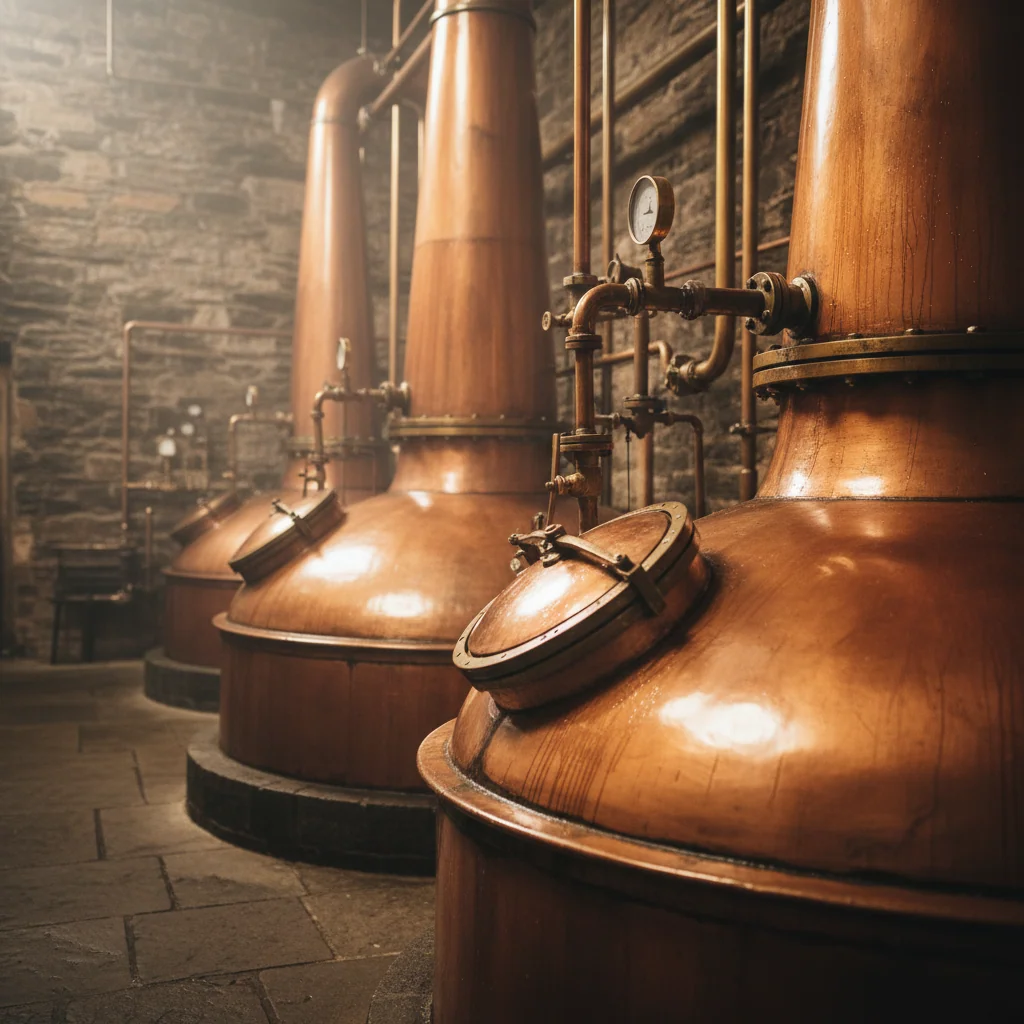
The first mate keeps a bottle in the chart room. It is fourteen years old and cost him less than the captain's dinner. The captain keeps a bottle in his cabin. It is thirty years old and cost him a small fortune. In a blind tasting last Thursday, the first mate's bottle won. The captain has not spoken about it since.
Age statements are one of the most misunderstood numbers in whisky. People treat them like a quality score — higher is better, always. But age is a measurement of time, not a measurement of quality, and the gap between those two things is where a lot of money gets wasted and a lot of brilliant whisky gets overlooked.
What the Age Statement Legally Means
In Scotland (and the EU), the age statement on a bottle of whisky must reflect the youngest whisky in the bottle. If a blender combines casks aged 8, 12, 15, and 25 years, the bottle must say "8 years old." It does not matter that most of the liquid is much older.
This creates a perverse incentive. If a master blender has a stunning 8-year-old cask that would add brilliance to a blend, adding it means the bottle's age statement drops from 12 to 8 — and with it, the perceived value and price. So the blender either leaves out the younger cask (making a worse whisky) or removes the age statement entirely.
This is the origin of the NAS trend, and it is worth understanding before you judge it.
Why Older Is Not Always Better
Whisky in a cask is not just passively sitting there. It is actively interacting with the wood, and that interaction has a curve:
Years 0-3: The spirit is rough, youthful, and dominated by the raw character of the distillate. Legally, it is not even whisky until year three.
Years 3-10: The wood begins to smooth out the spirit. Vanilla, fruit, and spice from the cask start to integrate. The spirit's own character — floral, malty, fruity — is still prominent.
Years 10-18: For most whiskies, this is the sweet spot. The cask and spirit are in balance. Complexity peaks. The flavours are layered but harmonious.
Years 18-25: The wood starts to assert dominance. Tannins increase. The whisky gets drier, more structured, sometimes beautifully so — but sometimes at the expense of the spirit's original character.
Years 25+: Serious risk of over-oaking. Some whiskies survive and become extraordinary. Many become bitter, astringent, and taste more like a plank of wood than a distillery's signature spirit. The whisky that emerges triumphant at 30+ years is the exception, not the rule.
The over-ageing problem nobody talks about
Distilleries rarely admit when a cask has gone past its best. There is too much money at stake — a 30-year-old cask represents decades of storage costs and angel's share losses. So it gets bottled regardless, priced at a premium, and sold to people who assume the age guarantees quality. Some of the most disappointing drams I have tasted carried age statements north of 25 years.
The Case for NAS Whisky
NAS — no age statement — has earned a bad reputation, and some of it is deserved. When a distillery strips the age statement off what was previously a 10-year-old expression and charges the same price, that is cynical cost-cutting, and you are right to be suspicious.
But NAS done well is a completely different thing. Here is when NAS genuinely makes sense:
When the blender wants creative freedom. If the best version of a whisky requires a splash of 6-year-old cask alongside 15-year-old casks, an age statement would force a misleading "6 years old" on the label.
When climate makes age irrelevant. A bourbon aged 5 years in the scorching Kentucky heat matures far faster than a Scotch aged 12 years in a cool Scottish warehouse. Comparing them by age is meaningless.
When the distillery is genuinely prioritising flavour. Ardbeg Uigeadail, one of the most celebrated whiskies on earth, carries no age statement. Aberlour A'bunadh, a cult favourite, carries no age statement. Neither does Macallan's entire colour-coded range. These are not cheap copouts — they are deliberate decisions by blenders who decided flavour mattered more than a number.
The NAS Red Flags
That said, here is when to be wary of NAS:
- The bottle previously had an age statement that has been removed
- The price increased or stayed the same when the age statement disappeared
- The marketing replaces age with vague nonsense like "crafted with passion" or "timeless spirit"
- No other information about the whisky's maturation is provided
If a distillery removes an age statement but tells you about the cask types, production method, and flavour profile, they are probably being transparent. If they replace the number with adjectives, be sceptical.
Climate: The Great Equaliser
Age statements become almost meaningless when you compare whisky across climates. The rate of maturation depends enormously on temperature, humidity, and warehouse conditions:
- Scotland: Cool, damp. Slow, gentle maturation. A 12-year-old Scotch is genuinely middle-aged whisky.
- Kentucky/Tennessee: Hot summers, cold winters. The whisky expands into the wood in summer and contracts in winter, accelerating extraction. A 6-year-old bourbon has had more cask interaction than most 12-year-old Scotches.
- Taiwan (Kavalan): Tropical heat, high humidity. Kavalan whiskies regularly win international awards at 4-6 years old. The angel's share is enormous — up to 12% per year versus Scotland's 2% — but the maturation speed is extraordinary.
- India (Amrut, Paul John): Similar to Taiwan. Rapid maturation, massive angel's share, and world-class whisky at ages that would be embryonic in Scotland.
A straight comparison of "12-year-old Scotch vs 6-year-old bourbon" as if the 12-year-old is automatically more mature is complete nonsense.
The Price-Age-Quality Triangle
Here is what actually happens to price as age increases:
- Under 10 years: £20-£40. Genuine bargains possible. Quality varies but the best are excellent. Our best whisky between £30 and £60 covers the value sweet spot where price and quality align most closely.
- 10-15 years: £30-£70. The value sweet spot. This is where price and quality are most closely correlated.
- 15-21 years: £50-£150. Still good value in many cases, but you start paying a premium for the number.
- 21-30 years: £100-£500. Significant diminishing returns. Some are stunning. Many are not worth the leap from a 15-year-old of the same distillery.
- 30+ years: £300-£5,000+. You are paying for rarity and collector value. The liquid might be extraordinary. It might also be an over-oaked disappointment wearing a fancy age statement.
The smart money move
If you want to taste genuinely old whisky without the price tag, look at independent bottlers like Gordon and MacPhail, Signatory Vintage, or Cadenhead's. They buy casks from distilleries and bottle them under their own labels, often at significantly lower prices than official distillery releases. A 25-year-old from an independent bottler can cost half what the distillery would charge for the same age.
Great Young Whisky, Disappointing Old Whisky
To make this concrete, here are real examples:
Young whisky that punches above its age:
- Ardbeg 10 (10 years, routinely rated alongside whiskies twice its age)
- Talisker 10 (a decade of maritime character that needs no more time)
- Kilchoman Machir Bay (NAS, around 5-6 years, vibrant and excellent)
- Kavalan Solist series (4-6 years old, regularly wins World Whisky of the Year)
Old whisky that underwhelms:
- Various 25+ year official bottlings that taste like tannic oak soup (naming names gets you in trouble, but browse any whisky forum and you will find heated threads about specific disappointments)
- Limited edition 30-year-olds that coast on age alone, with no fruit or character left — just dry wood and a price tag
The point is not that old whisky is bad. It is that age alone tells you remarkably little about whether you will enjoy what is in the glass. The cask type, the distillery's character, the blender's skill, and the maturation environment all matter more than the number on the label.
How to Use Age Statements Wisely
Age is useful information — just not in the way most people use it. Here is how to read it properly:
- Treat it as a data point, not a score. "This is 12 years old" tells you something about structure and wood influence. It does not tell you whether you will like it.
- Compare within a range, not across distilleries. Comparing a 12-year-old Macallan with a 15-year-old Macallan is useful. Comparing a 12-year-old Scotch with a 12-year-old bourbon is not.
- Pay attention to what the age statement is NOT telling you. Cask type, cask strength vs diluted, first fill vs refill — all of these affect flavour more than an extra three years in the same wood.
- Do not automatically dismiss NAS. Ask why the age statement is missing. If the answer is good whisky at a fair price, the absence of a number is fine.
The Bottom Line
Age is a fact about the whisky. It is not a verdict. Some of the best drams in the world are under 12 years old. Some of the most disappointing are over 25. The number on the label is the start of the conversation, not the conclusion.
Drink younger whisky without apology. Question older whisky before paying the premium. And if anyone tells you that a higher number automatically means a better dram, they have been reading price tags instead of tasting notes.
Continue the voyage
How to Actually Taste Whiskey (Without Pretending)
A practical, no-nonsense guide to tasting whiskey properly — without the pretentious theatre.
9 Whiskey Myths That Need to Die
From 'older is always better' to 'ice ruins whiskey' — nine persistent myths that are keeping you from actually enjoying your dram.
When Expensive Whiskey Is a Waste of Money
Diminishing returns, celebrity cash grabs, and overpriced NAS releases — when paying more gets you nothing extra, and when it genuinely does.