Cask Strength: What It Means and Whether You Should Care
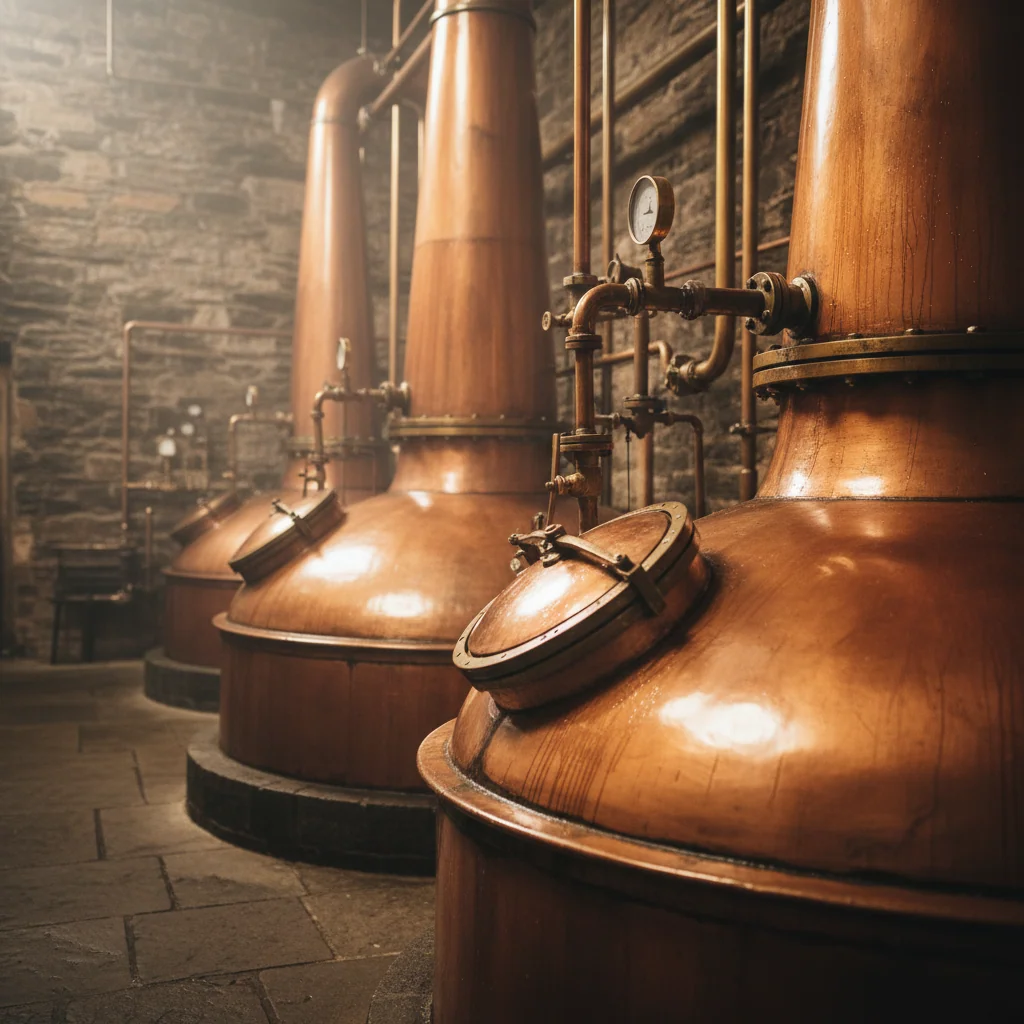
Captain's log: the first time someone poured me a cask strength whiskey without warning, I thought they were testing me. It hit my palate like a broadside — all heat and no nuance. I coughed. They laughed. Then they added a splash of water, and the glass transformed into something extraordinary. That was when I understood the point.
Cask strength is one of the most misunderstood terms in whiskey. Some people treat it as a badge of honour, as though higher proof automatically means better whiskey. Others avoid it entirely, assuming it is just rocket fuel for masochists. Both camps are wrong, and the truth is more interesting than either position.
What Cask Strength Actually Means
When whiskey comes out of the cask after maturation, it sits at whatever strength the years in wood have left it. New make spirit typically goes into the barrel at around 63-64% ABV. Over years of ageing, some alcohol evaporates through the wood (the famous "angel's share"), and the ABV gradually drops.
A whiskey aged ten years might come out of the cask at 58%. One aged twenty-five years might emerge at 48%. The number depends on the warehouse conditions, the type of cask, and how long it has been sitting there.
Most distilleries take this cask-strength spirit and add water to bring it down to a standard bottling strength — usually 40% or 43% ABV. This is called "proofing" or "cutting," and it is done for consistency. Understanding what those label numbers actually mean is useful context — our guide to reading a whiskey label covers ABV, age statements, and the rest of what appears on a bottle. It ensures that every bottle of, say, Glenlivet 12 tastes the same regardless of which batch it came from.
Cask strength whiskey skips this step. Whatever the spirit measured when it left the wood, that is what goes in the bottle. No dilution. No standardisation. The full, uncut expression of what the cask produced.
Typical ABV Ranges
Cask strength is not a fixed number. You will see bottles ranging from the high forties to the mid-sixties:
- 48-52% ABV: Older whiskeys that have spent decades in wood, losing alcohol to evaporation over time
- 52-58% ABV: The most common range for cask strength releases aged 10-18 years
- 58-65% ABV: Younger whiskeys or those aged in very tight, well-sealed casks
The ABV on the label tells you what the cask delivered. It varies by batch, which is why cask strength releases often carry batch numbers — each bottling is slightly different.
The Case For Cask Strength
You control the dilution. This is the real argument, and it is compelling. When a distillery proofs a whiskey down to 40%, they have decided for you how much water to add. With cask strength, you make that choice yourself. A few drops might be perfect. Half a teaspoon might open it up beautifully. Or you might prefer it neat at full power. The point is that the decision is yours.
More flavour concentration. Higher ABV means more dissolved flavour compounds per sip. Cask strength whiskeys often taste more intense, more layered, and more complex than their proofed-down siblings. You are getting the unfiltered, uncompromised version of what the distiller created.
Better value per pour. A 60% ABV bottle contains roughly 50% more alcohol than a 40% bottle. If you add water to bring it down to drinking strength, you get significantly more servings per bottle. A £50 cask strength bottle that you dilute to 45% gives you more drams than a £40 bottle at 40%. The maths usually favours the cask strength.
No chill filtration. Most cask strength whiskeys are also non-chill filtered, meaning the natural oils and esters that carry flavour are left intact. Standard bottlings are often chill filtered to prevent the whiskey going cloudy when cold or when water is added. The clarity looks nice but removes texture and subtle flavour.
The Case Against
It demands attention. You cannot just pour and drink cask strength whiskey the way you would a standard bottling. At 58% ABV, neat, it will overwhelm most palates. You need to experiment with water, find your preferred dilution, and generally engage with it more actively. Sometimes you just want a dram, not a project.
The price is higher. Cask strength releases typically cost more than standard bottlings. You are paying for the premium positioning, the smaller batch sizes, and the "serious enthusiast" branding. The value argument above is real, but only if you actually dilute it — if you drink it neat, you are just paying more for a stronger pour.
Batch variation. Some people love this. Others find it frustrating. If you fall in love with batch 47, batch 48 might taste meaningfully different. There is no guarantee of consistency, which is either exciting or annoying depending on your temperament.
How to Drink Cask Strength Whiskey
Step one: pour a measure and nose it carefully, keeping the glass further from your nose than usual. At high ABV, the alcohol vapour can be aggressive and will temporarily stun your sense of smell if you dive in too close.
Step two: take a small sip neat. Let it sit on your tongue for a moment. You are tasting the full-strength spirit, which will be intense — this sip is about establishing a baseline, not about enjoyment.
Step three: add water. Start with just a few drops — literally three or four — from a pipette or teaspoon. Swirl gently, nose again, and sip again. The difference should be noticeable. Repeat, adding water gradually, until the whiskey hits a point where the flavours are open and expressive without being harsh.
There is no correct dilution point. Some people like their cask strength brought down to 50%. Others prefer it at 46%. A few genuine enthusiasts drink it neat at full power and enjoy it that way. All of these are valid. The whole point is finding what works for your palate.
Water quality matters
Use still, room-temperature water with low mineral content. Scottish spring water is traditional but any decent bottled water works. Tap water is fine in most of the UK, but heavily chlorinated water can interfere with delicate flavours. Never use sparkling water for dilution — the carbonation changes the texture entirely.
Heads up
Do not add water to the bottle. Always dilute in the glass, one pour at a time. Adding water to the bottle permanently changes every future pour and accelerates oxidation. This mistake cannot be undone.
Two Cask Strength Bottles Worth Trying
Aberlour
Aberlour A'bunadh
The gateway cask strength for many enthusiasts. Matured exclusively in oloroso sherry casks, it delivers intense dried fruit, dark chocolate, cinnamon spice, and a rich, mouth-coating texture. Each batch is slightly different, which is half the fun. Add a teaspoon of water and watch it bloom.
Buy on The Whisky ShopSpringbank
Springbank 12 Cask Strength
Campbeltown character at full power — brine, dried fruit, malt, a whisper of smoke, and a finish that goes on for minutes. This is a whiskey made by people who care more about craft than marketing. Limited batches mean you should buy it when you see it. Extraordinary at this price point.
Buy on The Whisky BarrelThe Bottom Line
Cask strength whiskey is not better than standard strength whiskey by default. It is different — more concentrated, more demanding, more rewarding when you engage with it properly. Think of it as buying ingredients rather than a finished meal. The raw materials are richer, but you do the final seasoning yourself.
If you have never tried cask strength, start with something approachable like the Aberlour A'bunadh. For technique on nosing and tasting at high strength, our how to taste whiskey guide covers palate calibration and the step-by-step process. Pour a measure, add water gradually, and experience the transformation. That moment when the flavours unlock and the harshness falls away — that is when cask strength stops being a number on a label and starts being something you understand in your glass.
Continue the voyage
How to Actually Taste Whiskey (Without Pretending)
A practical, no-nonsense guide to tasting whiskey properly — without the pretentious theatre.

Best Whiskey Between £30 and £60: The Sweet Spot
10 brilliant whiskeys in the £30-60 range — the price bracket where quality actually lives. Scotch, Irish, bourbon, and Japanese picks with real tasting notes.

Peated vs Unpeated: A Guide for the Peat-Curious
What peat actually is, why some whisky tastes like a campfire, and how to ease yourself in from peat-curious to peat-obsessed.