Single Malt vs Blended: The Snobbery Is Wrong
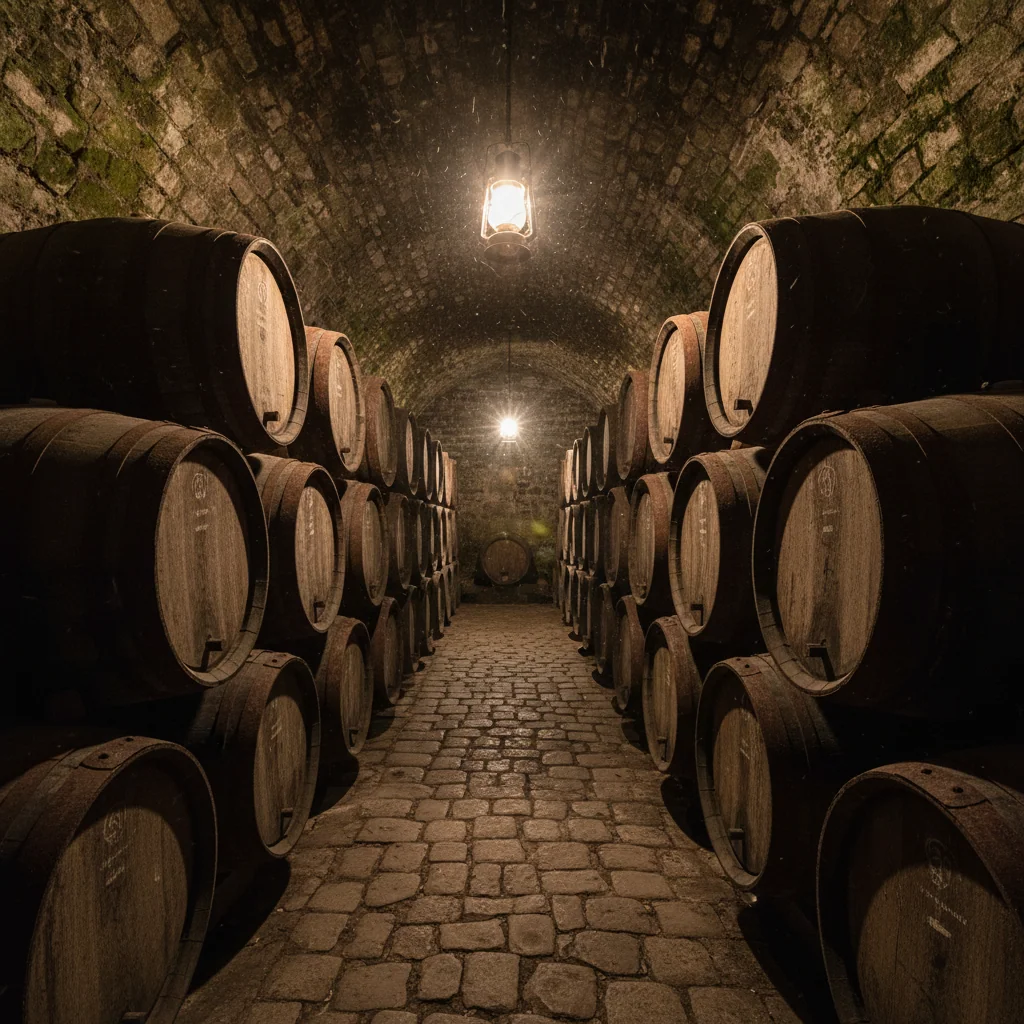
The log reads: "Encountered a crew member who refused to taste anything but single malt. Ordered him to drink the blend. He went quiet for a long time. Then asked for another." Some lessons take a single glass.
Here is the truth that whisky marketing spent forty years burying: blended whisky is not the cheap stuff you settle for when you cannot afford a single malt. It is a distinct craft, often more complex than what comes from any single distillery, and some of the greatest whisky ever bottled carries the word "blended" on the label. If you have been avoiding blends, you have been missing out — and someone in a boardroom is very pleased about that.
What Single Malt Actually Means
Let us start by clearing up the most persistent misunderstanding in whisky. Single malt does not mean:
- From a single barrel (that would be "single cask")
- Made in a single batch
- Somehow purer or more authentic
Single malt means the whisky was produced at one distillery using 100% malted barley in pot stills. That is the entire definition. A single malt can contain whisky from dozens — sometimes hundreds — of different casks, all from that one distillery. The "single" refers to the distillery, not the cask.
A bottle of Glenfiddich 12 is a blend of hundreds of casks of different ages and from different types of wood. The master blender at Glenfiddich selects and marries these casks to create a consistent flavour profile. It is blending — just from one address.
What Blended Whisky Actually Is
Blended Scotch whisky combines malt whisky (from pot stills, one or more distilleries) with grain whisky (from column stills, usually lighter and sweeter). The master blender's job is to combine these components into something greater than the sum of its parts.
This is not dilution. This is composition. Think of it like an orchestra versus a solo violin. A brilliant violinist can move you, but a full orchestra creates textures and dynamics that a single instrument cannot.
There are actually three categories worth knowing:
- Single Malt: One distillery, 100% malted barley, pot stills
- Blended Malt (sometimes called "vatted malt"): Multiple distilleries, all malt whisky, no grain whisky. Monkey Shoulder and Johnnie Walker Green Label live here.
- Blended Scotch: Malt whisky + grain whisky from multiple distilleries. Johnnie Walker Black Label, Chivas Regal, Famous Grouse.
How the Snobbery Started
Before the 1980s, blended whisky was the prestige category. Single malts were largely unknown outside Scotland. Glenfiddich was one of the first distilleries to push single malt as a premium product, and it worked spectacularly. Other distilleries followed. Marketing budgets exploded. The message was clear: single malt is sophisticated, blended is for mixing.
It was brilliant marketing. It was also completely disconnected from how quality actually works.
The irony is thick: the same distilleries producing "premium" single malts were selling their whisky to blenders. The liquid flowing into Johnnie Walker and Chivas was coming from the same stills, the same casks, the same distilleries. The single malt in your glass and the malt component of a blend might be identical whisky.
The Case for Blended Whisky
A master blender has access to something no single distillery can offer: range. They can pull smoky malt from Islay, fruity malt from Speyside, coastal malt from the Highlands, and silky grain from the Lowlands, then combine them into a profile that no single distillery could produce alone.
Compass Box, the London-based blender founded by John Glaser, has made a career proving this point. Their whiskies — Hedonism, The Peat Monster, Orchard House — are routinely rated alongside the best single malts in the world. Glaser has been vocal about the absurdity of whisky snobbery, and his bottles back up every word.
The blind tasting test
If you think you prefer single malt, try this: pour a blend and a single malt of similar price into unmarked glasses and taste them blind. Most people cannot reliably identify which is which, and plenty prefer the blend. Your palate does not care about labels.
Three Blends That Prove the Point
These are not budget bottles you buy because you cannot afford something better. These are whiskies that stand on their own merits, full stop.
Monkey Shoulder
A blended malt (no grain whisky) combining single malts from three Speyside distilleries: Glenfiddich, Balvenie, and Kininvie. It was originally created as a bartender's malt — something versatile enough to drink neat, on ice, or in cocktails — and it turned out to be genuinely excellent at all three.
William Grant & Sons (Speyside blend)
Monkey Shoulder
Creamy vanilla, baked orange, and malt biscuit with a soft, smooth finish. It tastes like it should cost more. Brilliant neat, brilliant in an Old Fashioned, brilliant on a Tuesday when you just want something good without thinking too hard. This is the bottle that converts single-malt snobs.
Buy on The Whisky ShopJohnnie Walker Green Label
This is the blend that makes the argument on its own. Green Label is a blended malt — no grain whisky — combining single malts aged at least 15 years from four distilleries: Talisker, Cragganmore, Linkwood, and Caol Ila. It carries the Johnnie Walker name, which causes some people to dismiss it without tasting it. Their loss.
Johnnie Walker (blended malt)
Johnnie Walker Green Label 15 Year Old
Layers of coastal smoke from Talisker and Caol Ila, honeyed malt from Linkwood, and the floral depth of Cragganmore. This drinks like a £60 single malt. The 15-year age statement means every component has had proper time in wood. If you only try one blend from this list, make it this one.
Buy on Loch Fyne WhiskiesCompass Box Orchard House
John Glaser's team at Compass Box consistently prove that thoughtful blending beats distillery snobbery. Orchard House is a blended malt built around Highland and Speyside malts, with a focus on fruit-forward, approachable character.
When Single Malt Is the Right Call
This is not a hit piece on single malts. They are brilliant when you want to taste the specific character of a specific place. If you want to understand what Islay tastes like, you drink a single malt from Islay. If you want to compare how Speyside differs from the Highlands, single malts are your tool.
Single malts are about specificity. Blends are about composition. Both are valid. Neither is inherently better.
The problem is not single malt whisky. The problem is the marketing-driven hierarchy that places single malt above everything else and convinces people that blended whisky is somehow lesser. That hierarchy is wrong, and every great blend on the shelf proves it.
The real quality marker
The thing that actually determines whether a whisky is good is the skill of the people who made it — distillers, coopers, blenders, warehouse managers. Not whether the label says "single malt" or "blended." A badly made single malt is worse than a well-made blend, every single time. Judge the liquid, not the label.
The Bottom Line
Next time someone at a bar says they "only drink single malt," smile politely and order yourself a Monkey Shoulder. Or a Green Label. Or anything from Compass Box. You will be drinking better whisky than their snobbery allows them to find, and you will probably be paying less for it.
The best dram is the one that tastes best to you. Full stop. No label required.
Continue the voyage
How to Actually Taste Whiskey (Without Pretending)
A practical, no-nonsense guide to tasting whiskey properly — without the pretentious theatre.
Scotch vs Irish vs Bourbon: What Actually Makes Them Different
The real legal, production, and flavour differences between Scotch, Irish whiskey, and bourbon — not the generic version.
9 Whiskey Myths That Need to Die
From 'older is always better' to 'ice ruins whiskey' — nine persistent myths that are keeping you from actually enjoying your dram.