Storing Whiskey: Does It Go Off? (The Honest Answer)
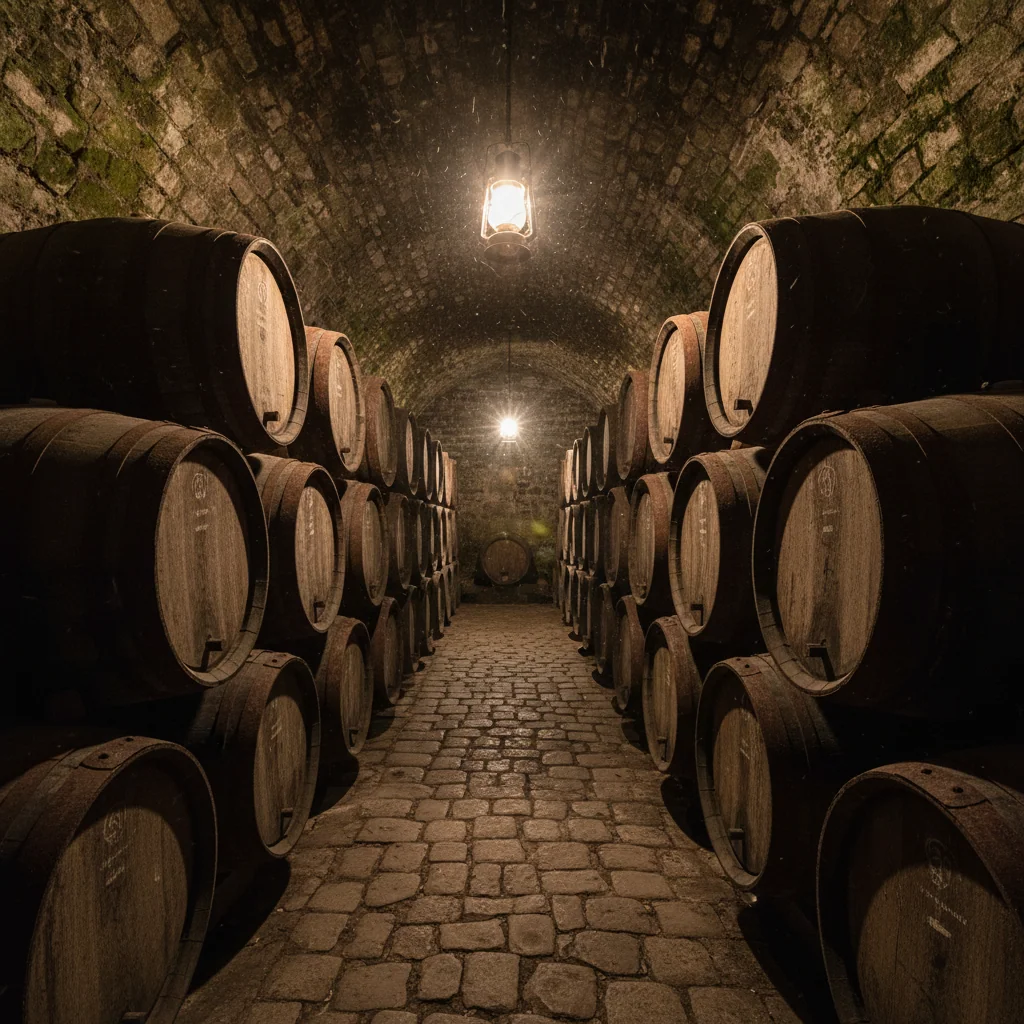
Captain's log: three bottles discovered in the back of a cupboard, one with barely a dram left, all of them at least four years old. The question that followed — "is this still good?" — is one I have heard more times than almost any other. The answer is more nuanced than the internet usually admits.
Whiskey does not spoil the way milk or wine does. It will not make you ill. But it does change, and understanding how and why puts you in control of what ends up in your glass.
Sealed Bottles: The Simple Answer
An unopened bottle of whiskey, stored sensibly, will last essentially forever. Whiskey is a stable spirit — once it leaves the cask and enters the bottle, the maturation process stops. A sealed bottle of Glenfiddich bought in 1985 tastes the same today as it did the day it was bottled, provided it has been stored correctly.
"Stored correctly" means three things:
-
Upright. Always store whiskey bottles standing up. Unlike wine, you do not want the liquid touching the cork for extended periods. Whiskey sits at 40% ABV or higher — enough alcohol to slowly dissolve and degrade a natural cork over years. This ruins the cork, risks leakage, and can taint the whiskey with cork flavours nobody wants.
-
Away from light. Direct sunlight is the enemy. UV rays break down the compounds that give whiskey its colour and flavour. A bottle left on a sunny windowsill for a few months will noticeably fade in colour. The flavour changes are subtler but real. A cupboard, a shelf away from windows, or a drinks cabinet with solid doors — any of these is fine.
-
At a stable, moderate temperature. Room temperature is perfect. You do not need a wine fridge or a cellar. What you want to avoid is wild temperature swings — next to a radiator, in a conservatory that bakes in summer, or in an unheated garage that drops below freezing in winter. Consistent is more important than precise.
Cork care
If you are storing sealed bottles long-term (years rather than months), tip the bottle upside down briefly once or twice a year to wet the cork and prevent it drying out completely. Just a quick inversion — do not leave it on its side.
Open Bottles: Where It Gets Interesting
The moment you crack the seal on a bottle, you introduce air. Air means oxygen. Oxygen means oxidation. And oxidation is what changes your whiskey over time.
This is not a catastrophe. Oxidation is slow, subtle, and sometimes even beneficial — plenty of whiskey enthusiasts have noticed that certain bottles improve after being open for a few weeks, as the air softens harsh edges and lets quieter flavours emerge. But left long enough, oxidation will flatten a whiskey, muting its complexity and leaving it tasting tired and one-dimensional.
The Oxidation Timeline
Here is roughly what to expect with an open bottle stored in a cupboard at room temperature:
First 1-3 months: Minimal change. If anything, some whiskeys open up and improve slightly. This is your sweet spot for drinking. No need to rush, but no reason to hoard either.
3-6 months: Still very good. Most people would not notice any difference in a blind tasting. The whiskey is holding its ground.
6-12 months: Changes start to become noticeable on more delicate whiskeys — lighter, floral Lowland malts and bourbon-cask-matured drams are most susceptible. Heavily peated and sherried whiskeys tend to be more robust. You might notice a slight flattening of the top notes.
1-2 years: The flavour profile has shifted. Not ruined, but noticeably different from when you first opened it. The whiskey has become simpler — the high notes have faded, leaving a narrower experience. Still perfectly drinkable, just less interesting.
2+ years: If the bottle is more than half empty, the large volume of air is doing real work. The whiskey is muted and flat. Safe to drink, but a shadow of what it was. Finish it in cocktails or cook with it.
Heads up
The air-to-liquid ratio matters enormously. A bottle that is 90% full will change slowly over years. A bottle that is 20% full — more air than whiskey — will deteriorate noticeably within months. If you are down to the last quarter of a bottle, either drink it or decant it into a smaller container to reduce the air exposure.
The Half-Bottle Rule
This is the single most useful piece of storage advice for open bottles: once a bottle drops below half full, the clock speeds up. The air volume above the liquid is now equal to or greater than the liquid itself, and oxidation accelerates.
Your options at this point:
- Drink it. The obvious solution and the most enjoyable.
- Decant it. Pour the remaining whiskey into a smaller bottle (a 20cl or 35cl bottle works well) to reduce the headspace. Make sure the smaller bottle is clean and dry.
- Use an inert gas spray. Products like Private Preserve spray a layer of argon or nitrogen into the bottle, displacing the oxygen. These work, but they are a hassle for everyday whiskey. Worth it if you are preserving a bottle worth serious money.
Practical reality
Most of us are not storing single bottles for years. If you have a reasonable collection and drink regularly, bottles tend to get finished within three to six months of opening. In that timeframe, storage concerns are minimal. The advice above matters most for those special bottles you open once and then "save" — which, ironically, is exactly the wrong strategy.
Temperature: How Much Does It Matter?
For storage, temperature matters less than temperature stability. A whiskey stored consistently at 22 degrees will be fine. A whiskey that swings between 10 and 30 degrees as the seasons change will suffer more, because the expansion and contraction can work the cork loose and accelerate chemical changes.
The ideal range is 15-20 degrees Celsius. A normal indoor room away from direct heat sources hits this easily.
For serving temperature, that is a different question entirely. Most whiskey is best between 18-22 degrees — cool enough to be refreshing, warm enough for the aromas to express themselves. Straight from the freezer numbs the flavours. Warm from sitting in sunshine tastes harsh and alcoholic. Room temperature, poured into a glass, is where you want to be.
Position: Why Upright Matters
This bears repeating because it contradicts what many people assume from wine storage. Wine bottles lie on their side to keep the cork moist and prevent it drying out and cracking. Whiskey bottles must stand upright because the alcohol concentration is high enough to attack the cork.
A whiskey cork that has been in prolonged contact with the spirit will become soft, crumbly, and can disintegrate when you try to open the bottle. Worse, it can impart unpleasant flavours — a musty, corky taint that ruins whatever is in the bottle. Stand them up. Always.
The Bottom Line
Whiskey is robust stuff. It does not need a climate-controlled vault or white-glove handling. A dark cupboard at room temperature, bottles standing upright, consumed within a year or so of opening — that is the whole strategy. Everything else is refinement.
The biggest threat to your whiskey collection is not oxidation or temperature or light. It is the tendency to "save" bottles for a special occasion that never arrives, while the whiskey slowly flattens in the bottle. The best time to drink good whiskey is when you have it. Open the bottle. Pour a dram. The occasion is now.
Continue the voyage
How to Actually Taste Whiskey (Without Pretending)
A practical, no-nonsense guide to tasting whiskey properly — without the pretentious theatre.
Cask Strength: What It Means and Whether You Should Care
What cask strength whiskey actually means, why it costs more, and how to drink it properly — including when to add water and when to leave it alone.
Building a Whiskey Home Bar: The 8 Bottles That Cover Everything
The 8 bottles that give you maximum range at home — one Speyside, one Islay, one Highland, one Irish, one bourbon, one Japanese, one blend, and one wild card.