Sherry, Bourbon, Port: How the Cask Shapes Your Dram
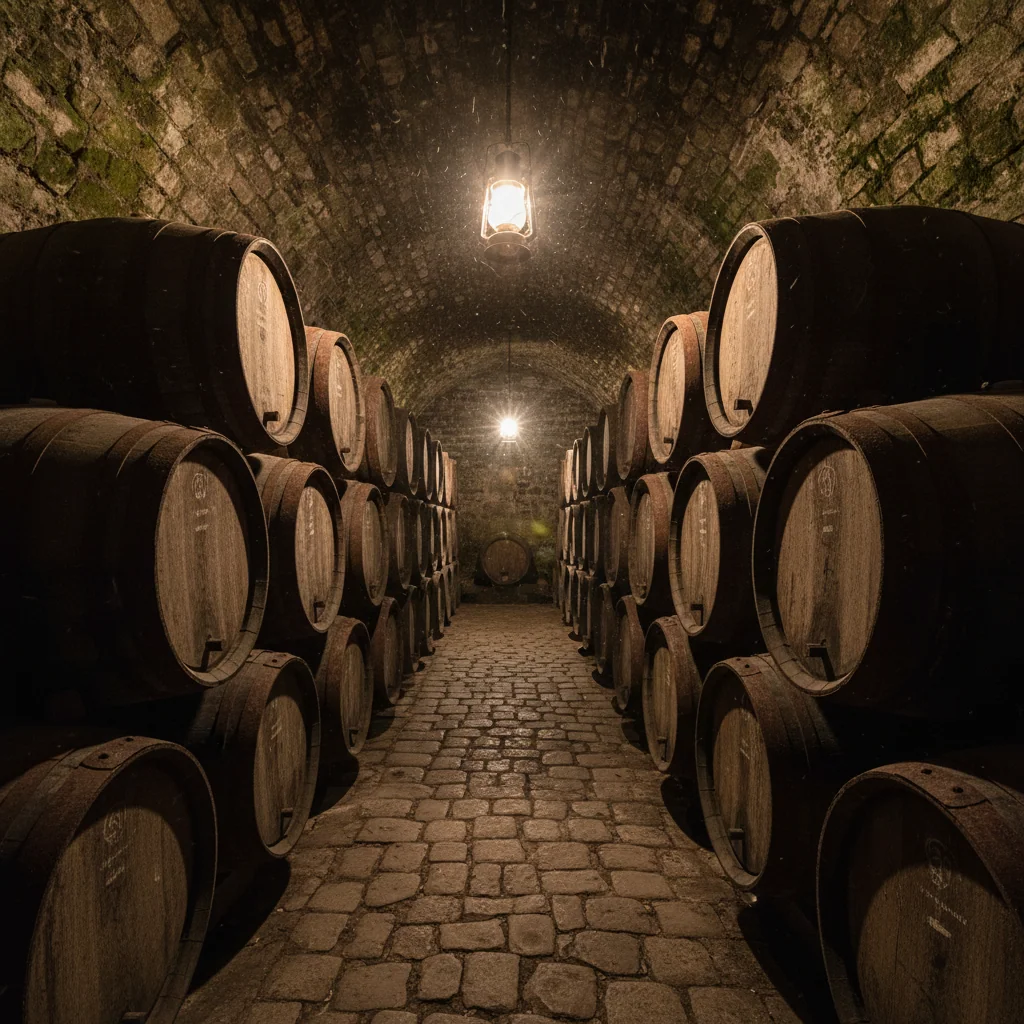
The ship's hold smells of old oak and something sweeter — vanilla, maybe, or dried figs. The carpenter says you can tell a cask's history by its scent alone. He has not been wrong yet. The wood remembers everything it held before.
That carpenter's instinct is the same principle behind modern whisky maturation. Somewhere between 60% and 80% of a whisky's final flavour comes from the cask it sits in. Not the barley, not the water source, not the shape of the still — the wood. If you want to understand why one whisky tastes like Christmas cake and another tastes like vanilla fudge, the cask is your answer.
Why Wood Matters So Much
Raw spirit off the still is clear, fiery, and relatively simple. It is the cask that transforms it into whisky. Over years of maturation, three things happen simultaneously:
- Extraction: The spirit pulls compounds out of the wood — vanillin, tannins, lignin, lactones. These give colour, sweetness, and structure.
- Interaction: The spirit's own compounds react with wood compounds, creating new flavours that exist in neither the raw spirit nor the empty cask.
- Subtraction: Harsher elements in the spirit — sulphur compounds, immature notes — are absorbed by the charcoal layer inside the cask or evaporate through the wood (the "angel's share").
The wood is not a passive container. It is an active ingredient.
Bourbon Casks: The Workhorse
American bourbon must, by law, be aged in new charred oak barrels. Once used, those barrels cannot be refilled with bourbon. This creates a massive supply of once-used oak barrels, and the Scotch whisky industry has been happily buying them for over a century.
What they give the whisky:
- Vanilla (the dominant note — vanillin is abundant in American oak)
- Honey and butterscotch
- Coconut and cream
- Gentle citrus — lemon, orange peel
- Light caramel sweetness
Colour impact: Pale gold to light amber.
Bourbon cask maturation produces whisky that is generally lighter, sweeter, and more approachable than sherry cask equivalents. The vast majority of Scotch — probably 90% or more — spends at least some time in ex-bourbon wood.
Classic examples: Glenmorangie Original (10 year, exclusively bourbon casks), Auchentoshan American Oak, most standard Glenfiddich and Glenlivet expressions.
Spotting bourbon cask influence
If your whisky is pale gold, smells like vanilla or butterscotch, and has a creamy sweetness on the palate, you are almost certainly tasting bourbon cask influence. The lighter the colour (without added caramel colouring — check the label), the more likely it spent its life entirely in bourbon wood.
Sherry Casks: The Rich One
Sherry casks — typically made from European oak and previously used to age Spanish sherry wine — are the other pillar of Scotch maturation. They are more expensive and less plentiful than bourbon casks, which is partly why sherried whiskies often cost more.
The type of sherry matters enormously:
- Oloroso sherry casks: Dried fruit, nuts, dark chocolate, warm spice. The most common sherry cask type in whisky. Rich and full.
- Pedro Ximenez (PX) casks: Intensely sweet — raisins, dates, treacle, sticky toffee pudding. PX sherry is made from sun-dried grapes, and the residual sweetness in the cask is remarkable.
- Fino and Manzanilla casks: Much drier, more delicate. Almond, green olive, saline notes. Less common in whisky but increasingly sought after.
Colour impact: Deep amber to mahogany, sometimes almost black with PX casks.
Classic examples: Macallan Sherry Oak range, Glenfarclas (all expressions), GlenDronach, Aberlour A'bunadh.
Spotting sherry cask influence
Dark colour is the first clue, but beware — some distilleries add caramel colouring (E150a) to darken cheaper whisky. Look for rich, fruity aromas: raisins, dried apricot, fig, Christmas spice. On the palate, expect warmth and weight rather than lightness and cream. If it reminds you of fruit cake, a sherry cask did the work.
Port Casks: The Berry Bomb
Port pipe finishing has become increasingly popular over the last two decades. Port is a fortified wine from Portugal's Douro Valley, and the casks retain deep, fruity sweetness.
What they give the whisky:
- Red berry — raspberry, strawberry, cranberry
- Dark chocolate and cocoa
- Plum and damson jam
- A slight tannic grip
- Pink or reddish tint to the colour
Port cask influence tends to be used as a finish rather than full maturation — the whisky spends most of its life in bourbon or sherry wood, then is transferred to port casks for the final months or years.
Classic examples: GlenDronach Port Wood, Glenmorangie Quinta Ruban (14 year, port finish), Balvenie 21 PortWood.
Rum Casks: The Tropical Option
A more recent trend, rum cask finishing adds tropical sweetness and a distinctive character.
What they give the whisky:
- Brown sugar and molasses
- Banana and tropical fruit
- Coconut (especially with Demerara rum casks)
- Warm spice — clove, allspice
- A rounded, almost syrupy sweetness
Classic examples: Balvenie 14 Caribbean Cask (finished in rum casks), Glenfiddich Fire and Cane, Kininvie 23 Year Old.
Wine Casks: The Experimental Frontier
Beyond port and sherry, distilleries have been experimenting with all manner of wine casks: Burgundy, Sauternes, Marsala, Madeira, Champagne. Results vary wildly, and this is where cask selection becomes genuinely experimental.
- Sauternes casks: Honeyed sweetness, apricot, floral notes. Glenmorangie Nectar d'Or is the benchmark.
- Burgundy/red wine casks: Tannic, berry-forward, sometimes slightly astringent if overdone.
- Madeira casks: Nutty, caramelised, with a distinctive oxidative character. Gordon and MacPhail use these regularly.
- Champagne casks: Very rare, very delicate. Subtle biscuit and brioche notes.
When cask influence goes wrong
More is not always better with cask finishing. A whisky left too long in an active wine cask can become dominated by the wood — tannic, astringent, and tasting more like a wine reduction than a whisky. The best cask-finished whiskies balance the spirit's original character with the cask's contribution. If all you can taste is the cask, the distiller misjudged the timing.
First Fill vs Refill: The Intensity Dial
The same type of cask will behave very differently depending on how many times it has been used:
- First fill: The cask's first use for whisky (though it previously held bourbon, sherry, etc.). Maximum flavour extraction. Bold, sometimes dominant cask influence.
- Second fill / refill: Each subsequent use extracts less from the wood. Gentler, more subtle influence. The spirit's own distillery character shines through more.
Some of the best whiskies use a combination of first fill and refill casks. The first fill provides intensity and colour; the refill provides the distillery's signature character without being overwhelmed by wood.
Reading the Label: What to Look For
Most whisky labels will tell you something about the cask if you know where to look:
- "Matured in oak casks" — Tells you nothing useful. This is the legal minimum.
- "Bourbon barrel matured" — Spent its full maturation in ex-bourbon casks.
- "Sherry oak" or "Sherry cask matured" — Full maturation in sherry wood.
- "Double wood" or "Triple wood" — Matured in one type, then transferred to another (or two others).
- "Finished in [X] casks" — Matured primarily in one cask type, then given a shorter period in another for added complexity.
- "Single cask" — All the whisky in the bottle came from one individual cask. The cask type usually specified.
The cheat code for finding what you like
Once you know which cask type produces flavours you enjoy, you can navigate an entire whisky shelf efficiently. Like vanilla and honey? Stick to bourbon cask. Like dried fruit and Christmas cake? Sherry all the way. Like berries and chocolate? Port finished. This single piece of knowledge is more useful for finding whisky you will love than age statements, region, or price.
The Bottom Line
The cask is not packaging — it is the single biggest flavour contributor in your glass. Understanding just five cask types (bourbon, oloroso sherry, PX sherry, port, and rum) gives you a practical vocabulary for predicting whether you will enjoy a whisky before you open it. That is not snobbery. That is just knowing what you like and being able to find more of it.
Continue the voyage
How to Actually Taste Whiskey (Without Pretending)
A practical, no-nonsense guide to tasting whiskey properly — without the pretentious theatre.
Single Malt vs Blended: The Snobbery Is Wrong
Single malt doesn't mean better. Blended whisky is an art form — and some of the best drams on earth are blends. Time to drop the snobbery.
Age Statements: Why Older Doesn't Always Mean Better
A 12-year-old can outdrink a 25-year-old. Age statements are useful data, not quality guarantees — here's what they actually tell you.