English Whisky: The Lakes, Cotswolds, and London's New Wave
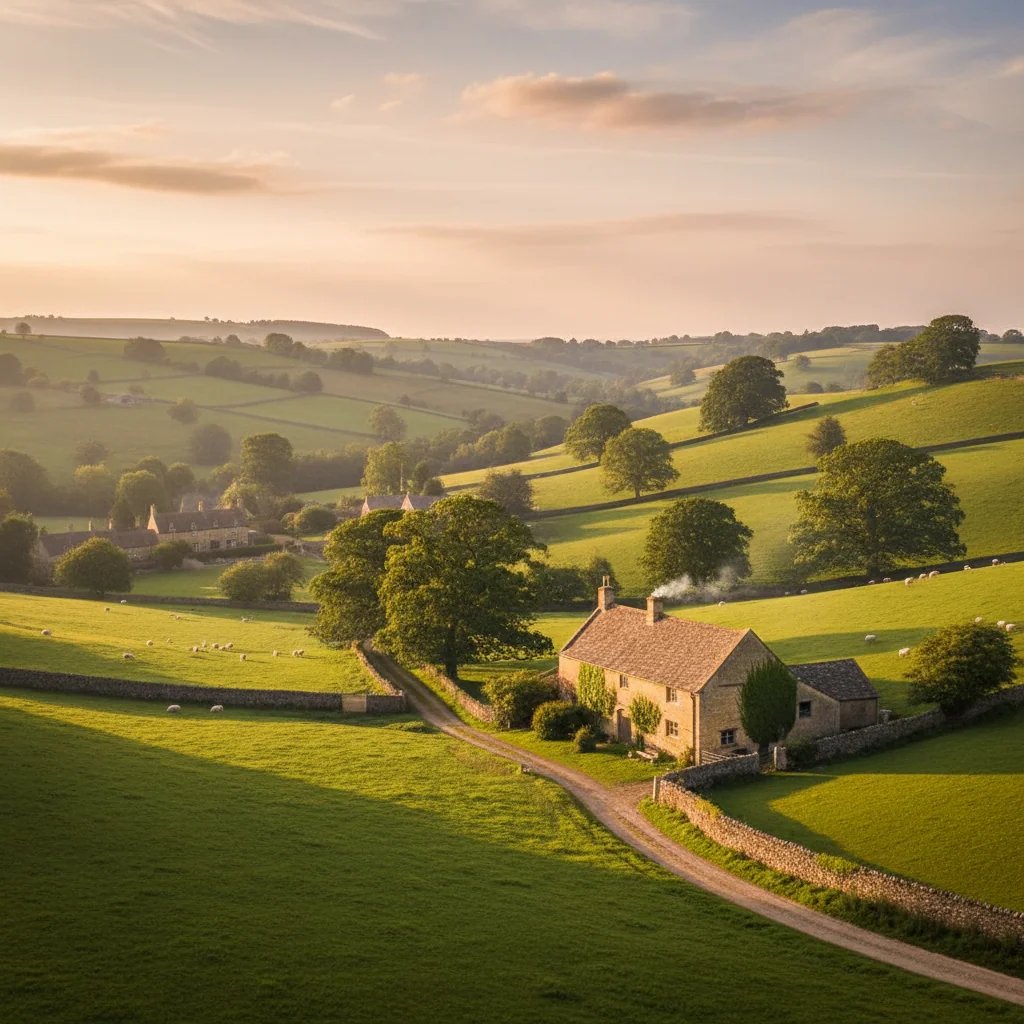
The entry reads London, latitude fifty-one, but the spirit in the glass could pass for something distilled much further north. It has weight — barley sugar, orchard fruit, a thread of oak tannin — and a confidence that would have been unthinkable a decade ago. England is making whisky now, and not the tentative, apologetic kind. The real thing.
English whisky barely existed before 2006. For over a century, there was not a single whisky distillery operating in England. Scotland, Ireland, and even Wales had unbroken traditions; England had nothing but history and a vague memory of grain spirit from the distant past. Then St George's Distillery opened in Norfolk, and the floodgates cracked. Twenty years later, 22 distilleries are producing English whisky across the country, from Northumberland to Cornwall, and several are making liquid that competes with established Scottish and Irish producers on quality, not just novelty.
The Pioneer: Norfolk
St George's Distillery (The English Whisky Co.)East EnglandToursShop — operating as The English Whisky Co. — opened in 2006 in the village of Roudham, near Thetford in Norfolk. Founded by Andrew Nelstrop, a local farmer, it was a genuine act of faith: nobody knew whether English barley, English water, and the English climate could produce a whisky worth drinking. The answer, nearly twenty years on, is a firm yes. The English Original is a clean, malty single malt that has matured beautifully as the distillery's stock has aged. The Smokey expression, made with imported peated malt, shows that English distillers can handle peat when they choose to.
The Lake District: England's Finest
The Lakes DistilleryNorth EnglandToursShop has arguably done more for English whisky's reputation than any other producer. Set in a converted Victorian farmstead near Bassenthwaite Lake, surrounded by Cumbrian fells, the distillery has been producing since 2014 and has rapidly built a portfolio that wins blind tastings against Scottish competition.
The key figure is Dhavall Gandhi, the Whiskymaker (their preferred title over "master distiller"), whose background in Scotch and Indian whisky production gives him a global perspective on what English spirit can become. The Whiskymaker's Reserve series — each release a different combination of sherry, red wine, and bourbon casks — represents the distillery's creative peak. But the core range starts with The One.
The Lakes Distillery
The Lakes The One Fine Blended Whisky
Orange marmalade and vanilla custard on the nose, with toasted oak and a hint of dark chocolate. The palate is rich for a blended whisky — sherry-soaked raisins, cinnamon stick, and fresh ginger. Finishes with a lingering warmth of dried fruit and gentle oak spice. Blended from English malt and selected Scotch and Irish whiskies — an honest label that tastes more expensive than it is.
Buy on The Whisky ShopThe Cotswolds: Barley Country
Cotswolds DistilleryMidlandsToursShop was founded in 2014 by Dan Szor, a former Wall Street financier who fell in love with the Cotswolds and decided to make whisky from its famously rich barley. The distillery uses locally grown grain — mostly Odyssey barley from farms within a few miles of the still — and the terroir argument is stronger here than in most whisky regions. Cotswolds barley produces a spirit with a distinctive richness and biscuity sweetness that is hard to replicate with barley from elsewhere.
Cotswolds Distillery
Cotswolds Founder's Choice
Cask strength and non-chill-filtered. Honey, butterscotch, and fresh baked bread on the nose. The palate is intense — Seville orange, dark toffee, clove, and toasted almond. STR (shaved, toasted, re-charred) red wine casks give a dried fruit depth without overpowering the barley. Finishes long with gingerbread warmth and a creamy mouthfeel. Add water gradually — this rewards patience.
Buy on The Whisky ShopLondon: Urban Grain
The idea of a London whisky distillery sounded absurd not long ago. Bimber DistillerySouth East EnglandToursShop in North Acton changed that. Founded in 2015 by Dariusz Plazewski, Bimber operates a grain-to-glass philosophy in an industrial unit that could not look less romantic from the outside. Inside, the copper pot stills produce a spirit of remarkable quality. Limited releases sell out within minutes of going online, and secondary-market prices for Bimber bottles have reached levels that would embarrass some established Scottish distilleries.
The single malt, matured in a range of cask types from ex-bourbon to re-charred wine barrels, shows a depth and complexity that belies its age. Bimber has also opened Dunphail distillery in Speyside, essentially reverse-colonising Scotland — an English distillery setting up shop in the heartland of Scotch.
East London Liquor Company in Bow, Copper Rivet in Chatham Dockyard, and Berry Bros. & Rudd (Britain's oldest wine merchant, trading since 1698) complete the southeast's whisky scene. Each takes a different approach: East London is experimental and urban; Copper Rivet is grain-to-glass in a historic dockyard setting; Berry Bros. brings centuries of blending expertise.
The North: Yorkshire to Northumberland
Spirit of Yorkshire DistilleryNorth EnglandToursShop has built something remarkable on a working farm on the Yorkshire Wolds. The distillery grows its own barley — you can literally see the fields from the still room — and the Filey Bay single malt has won multiple international awards. The Flagship expression, with its maritime influence from the nearby coast, is one of the most distinctive English whiskies available.
Cooper King DistilleryNorth EnglandToursShop in York deserves attention for its carbon-negative approach — every bottle offsets more carbon than it produces. The whisky, inspired by Tasmanian distilling methods (co-founder Chris Jaume trained in Tasmania), is light, fruity, and shows the influence of Antipodean thinking on English grain.
Ad Gefrin DistilleryNorth EnglandToursShop in Northumberland is the newest and most architecturally ambitious English distillery. Combining a working distillery with an Anglo-Saxon museum (the site was an ancient royal palace), the visitor experience is unlike anything else in British whisky. The spirit is young, but the investment in copper and the quality of the new-make spirit suggest this will be a serious producer.
Spirit of Manchester, Whittaker's in Harrogate, and Yarm in the northeast round out the northern cluster — craft operations producing small quantities with local character.
The Midlands and Southwest
White Peak Distillery in Derbyshire, operating from a converted wire works at Ambergate, produces the Wire Works single malt that has won critical acclaim. Forest Distillery in Macclesfield and Ludlow Distillery in Shropshire represent the Midlands' micro-distillery scene — tiny output, high ambition.
In the southwest, Dartmoor Whisky Distillery sits on the edge of the national park, Circumstance in Bristol produces single malt from heritage barley varieties, and Healeys in Cornwall — one of England's earliest modern whisky producers, converting cider-making expertise to grain spirit since 2000 — has the longest track record outside Norfolk.
Adnams in Southwold, Suffolk, brings brewing heritage to whisky. The Copper House Distillery, attached to the famous brewery, produces English whisky from its own wash — the same fermented liquid that becomes Adnams beer goes through the still to become Adnams whisky. The Triple Malt expression, using three different malts, is a genuine curiosity.
And Elsham Wold in Lincolnshire represents the farm-distillery model at its purest — barley grown, malted, and distilled on the same estate on the Wolds.
Planning Your Visit
Getting there: England's distilleries are spread across the country, so there is no single route. The Lakes Distillery is best combined with a Lake District trip (M6 to Keswick). Cotswolds is accessible from Oxford, the Midlands, or the M40 corridor. London distilleries are on the Tube.
How long: Pick a region rather than trying to cover everything. Two days for the Lake District area. Two days for the Cotswolds and Midlands. A day for London's distilleries. Three days for a Yorkshire and North England loop.
Best combination trips: Cotswolds Distillery pairs naturally with the region's villages, pubs, and countryside walks. The Lakes Distillery is a natural stop on any Lake District holiday. Bimber works as a half-day London excursion.
Where to stay: Stow-on-the-Wold or Burford for the Cotswolds. Keswick or Cockermouth for the Lakes. Central London for Bimber and East London Liquor Company.
What to expect: English distilleries tend to be smaller, more personal, and more willing to experiment than their Scottish equivalents. Tours are often guided by the actual distillers rather than dedicated guides, which means the quality of information is high but booking ahead is essential — many operate on limited schedules.
Buying English whisky: Limited production means many expressions sell out quickly, particularly from Bimber and Spirit of Yorkshire. The distillery shops are often the only reliable source. For a single online destination covering the full category — including micro-producers mainstream retailers often skip — Digital Distiller is the specialist, stocking 150+ English whiskies. Master of Malt and The Whisky Exchange carry the larger producers but thin out past the top ten names.
Going deeper: If the category has hooked you, see our guide to buying a cask of English whisky — private cask programmes at several of the distilleries above are now genuinely accessible to individual buyers.
Explore every English distillery — filter by region, tours, and shops — in the Chart Room.
Continue the voyage
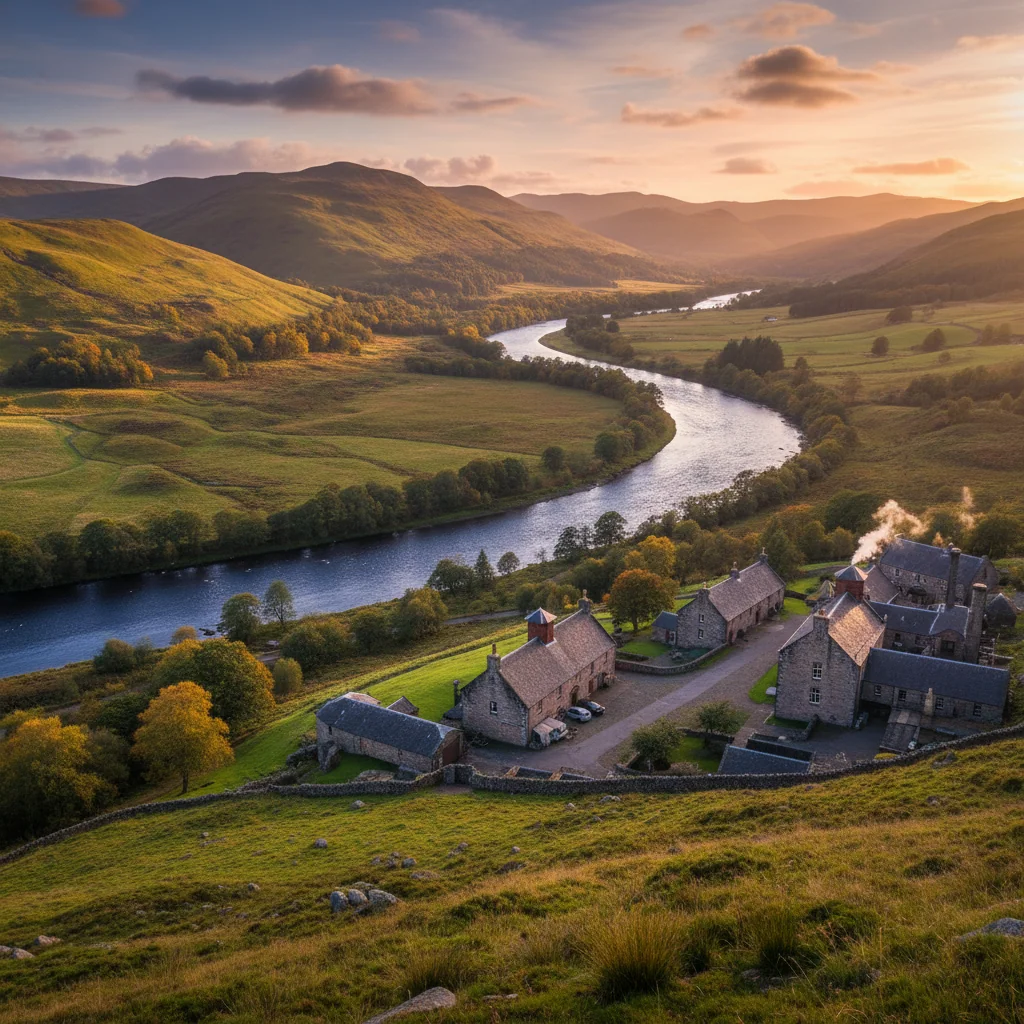
The Speyside Voyage: 53 Distilleries, One River Valley
A data-driven guide to all 53 Speyside distilleries — from Glenfiddich to hidden workhorse malts that power Scotland's greatest blends.
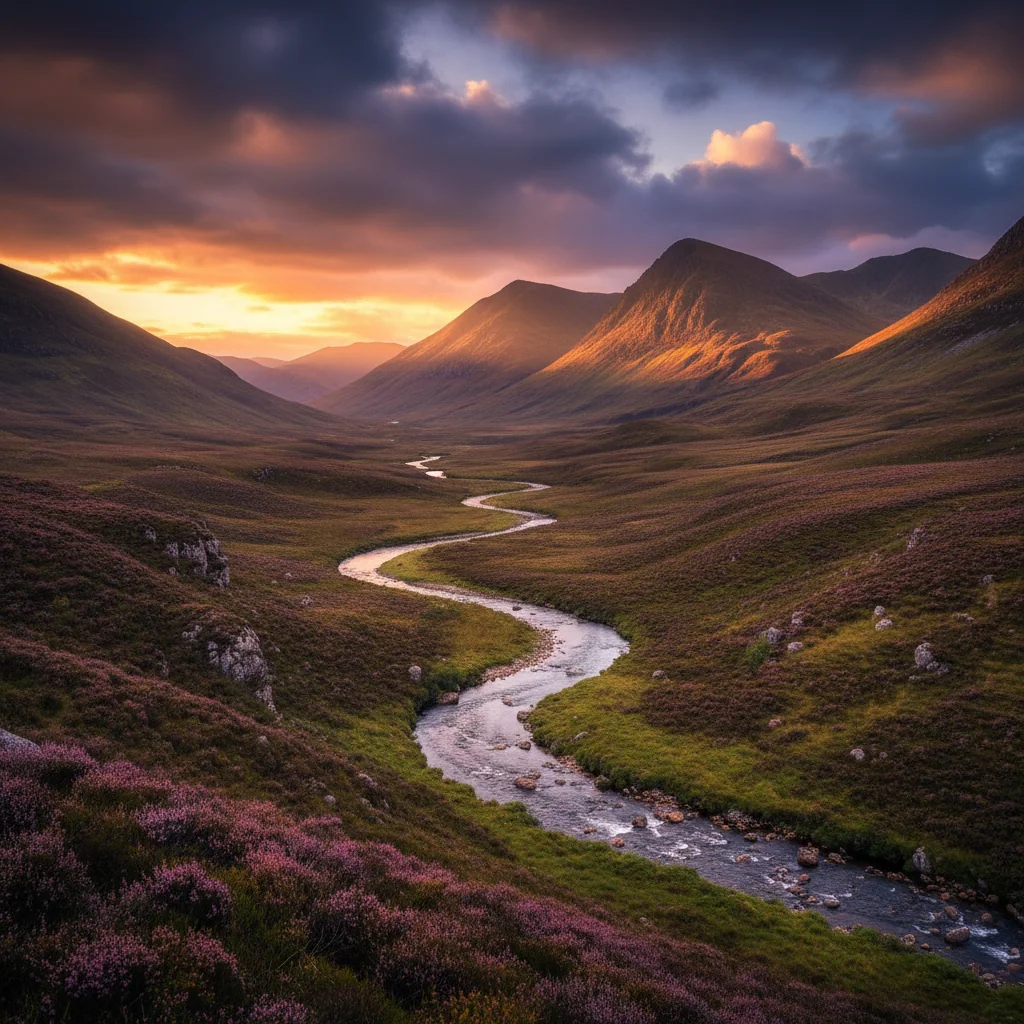
North Highland & Orkney: Where Whisky Meets the Arctic
20 distilleries along Scotland's wild north coast and out to Orkney — from Old Pulteney's harbourside stills to Highland Park's heather peat.
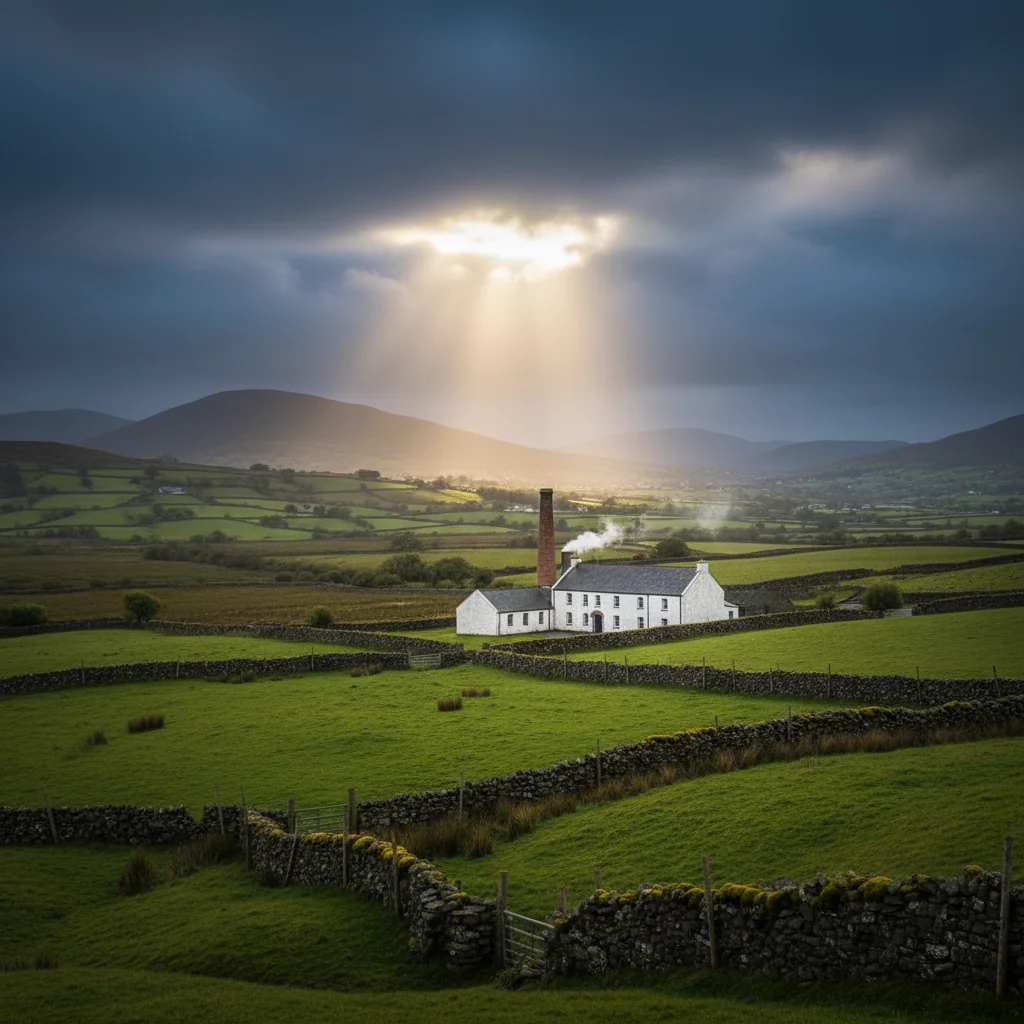
Dublin to Dundalk: Ireland's Whiskey Corridor
15 distilleries along Ireland's east coast — from Teeling's Dublin revival to Slane Castle's rock-and-rye heritage.