Dublin to Dundalk: Ireland's Whiskey Corridor
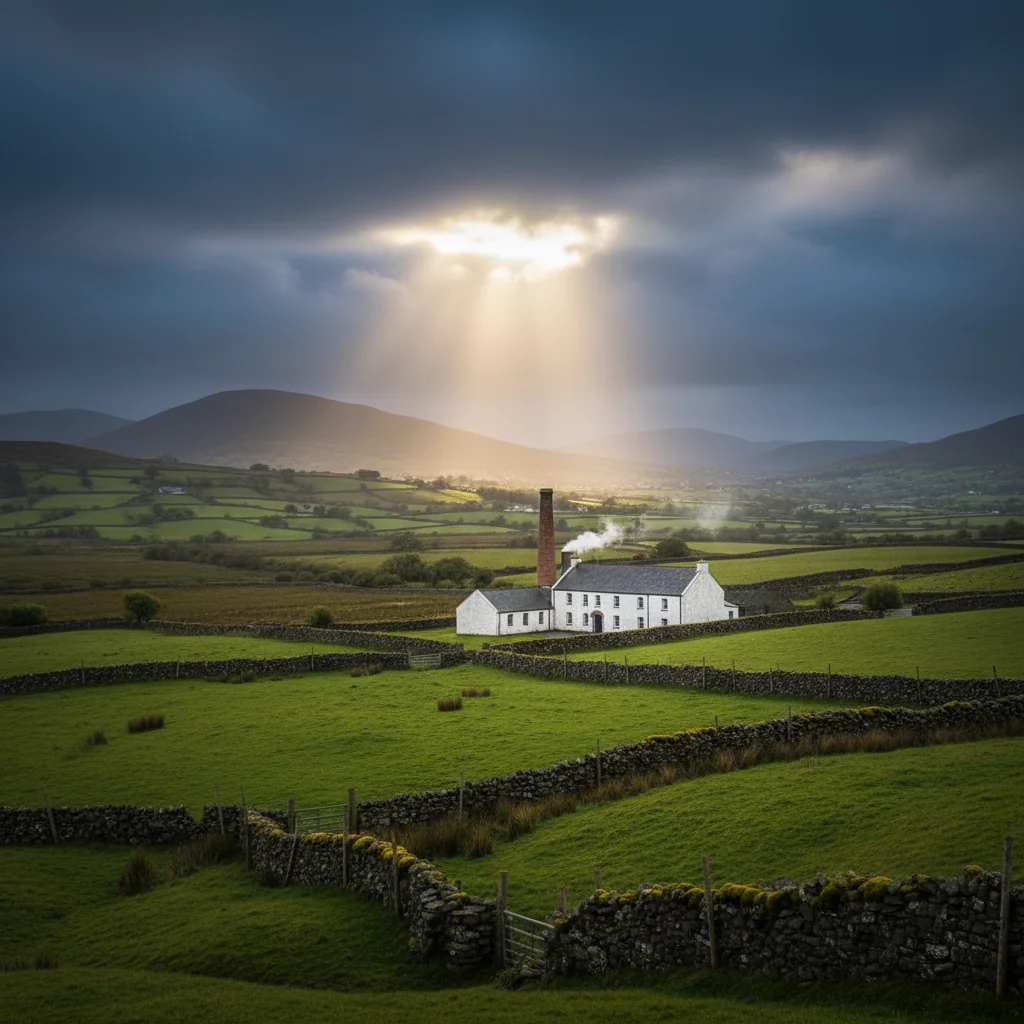
The logbook shows Dublin port, evening tide, the city opening westward in layers of brick and limestone. There is a sweetness in the Liberties air that has nothing to do with the Guinness brewery half a mile north — it is grain spirit condensing against copper, the same process that made this neighbourhood the whiskey capital of the world two centuries ago. The cobblestones still remember, even if the buildings have changed.
Dublin was once the centre of the whiskey universe. In the 1800s, the Liberties district alone held more distilling capacity than all of Scotland combined. Then came temperance, independence, trade wars, and Prohibition in America — and Irish whiskey nearly died. By the 1980s, there were only two distilleries operating in the entire country. The comeback since then has been extraordinary, and nowhere is it more visible than along Ireland's east coast, where 15 distilleries now line a corridor from Dublin city centre north to Dundalk and south into the Wicklow mountains.
Dublin's Liberties: Where It Started Again
Teeling Whiskey DistilleryEast IrelandToursShop gets the credit for restarting Dublin whiskey. When Jack and Stephen Teeling opened their Newmarket distillery in 2015, it was the first new distillery in the city in 125 years. The location was deliberate — the Liberties is where their ancestors and competitors once operated the largest pot stills in the world. Today, Teeling's copper-pot still house sits behind a visitor centre that draws over 100,000 people a year.
The whiskey itself is distinctive. Teeling Small Batch finishes in Central American rum casks, giving it a tropical sweetness that reads as utterly modern Irish whiskey. The Single Pot Still expression, made from a mash of malted and unmalted barley (the traditional Irish method), is richer and more complex — spicy, oily, and full of green apple and clove.
Teeling Whiskey Distillery
Teeling Small Batch
Rum cask influence is immediate — vanilla, ripe banana, and brown sugar on the nose. The palate opens with green apple and cinnamon, then deepens into toasted oak and dried apricot. Finishes smooth and slightly spicy with lingering tropical fruit. Bottled at 46% without chill-filtering, which is generous at this price point.
Buy on The Whisky ShopA few streets away, Pearse Lyons DistilleryEast IrelandToursShop occupies one of Dublin's most remarkable buildings — a restored twelfth-century church in James's Street. The distillery runs two copper pot stills where the altar once stood, which is either sacrilege or salvation depending on your theology. The single malt releases have been well-received, and the tour is one of Dublin's best, whiskey or otherwise.
Roe & Co DistilleryEast IrelandTours is Diageo's Dublin outpost, built in a former power station in the Liberties and reviving the name of George Roe, who once ran the largest distillery in the world on nearby Thomas Street. The blended whiskey is approachable and well-made, and the distillery's cocktail-focused visitor experience appeals to a crowd that traditional distilleries sometimes struggle to reach.
Beyond the City: Wicklow and the East
South of Dublin, the Wicklow mountains provide a dramatic backdrop for two very different distilleries. Powerscourt DistilleryEast IrelandToursShop sits on the historic Powerscourt Estate, one of Ireland's grandest houses, producing whiskey under the Fercullen brand. The single grain and single malt expressions benefit from the estate's microclimate — cool, damp mountain air that slows maturation and builds complexity. The visitor experience combines distillery tours with the estate's famous gardens, which is a smart move for mixed groups where not everyone shares the same enthusiasm for pot stills.
Glendalough DistilleryEast IrelandToursShop operates deeper in the Wicklow mountains, near the ancient monastic settlement that gives it its name. The distillery's foraging ethos — using wild botanicals from the surrounding countryside — gives their gin and poitin real character, and the whiskey range is building steadily. The Double Barrel and 7-Year-Old expressions show what careful cask selection can do with young-ish Irish spirit.
The Boyne Valley: History and Grain
North of Dublin, Slane DistilleryEast IrelandToursShop has the best backstory of any distillery in Ireland. Built on the grounds of Slane Castle — yes, the one where U2, the Rolling Stones, and Oasis played — the distillery is a Brown-Forman operation producing triple-casked Irish whiskey (virgin American oak, seasoned American oak, and Oloroso sherry). The result is a whiskey that is richer and more layered than its price tag suggests, and the castle grounds make for a spectacular visit.
Boann DistilleryEast IrelandToursShop sits on the banks of the River Boyne near the site of the famous 1690 battle. This family-run operation combines a brewery and distillery, producing the Whistler Irish Whiskey brand alongside craft beers. It is still young, but the ambition and the quality of the spirit are evident.
Powers: The Pub Whiskey That Deserves Better
No article about east Ireland whiskey is complete without Powers. For generations, Powers Gold Label was the whiskey Dublin drank — the publicans' choice, ordered by the glass in every bar from Temple Bar to Tallaght. It fell out of fashion as premium single malts took over, but the liquid never stopped being excellent.
Midleton Distillery (for Powers brand)
Powers Gold Label
Honeycomb and toasted barley on the nose, with a whisper of pot still spice. The palate is clean and assertive — green pepper, clove, fresh bread, and a distinct oiliness from the pot still component. Finishes with lingering white pepper and cereal sweetness. A masterclass in value. Drink it neat, drink it in a hot whiskey, but drink it.
Buy on The Whisky ShopThe Northern Reach: Cooley and the Contract Giants
Cooley DistilleryEast Ireland in County Louth holds a singular place in Irish whiskey history. Founded in 1987 by John Teeling (father of Teeling Whiskey's founders), it was Ireland's first independent distillery in over a century. Cooley revived peated Irish whiskey with Connemara, resurrected the Tyrconnell brand, and proved that Irish whiskey could be more than Jameson and Bushmills. It is now owned by Beam Suntory.
John Teeling then went and did it again. Great Northern DistilleryEast Ireland in Dundalk, founded in 2015, is a massive contract distillery producing grain and malt whiskey for dozens of independent brands. If you have bought an Irish whiskey from a new brand in the last few years, there is a fair chance the liquid came from here. It is not open to visitors, but its influence on the entire Irish whiskey revival cannot be overstated.
Further up the east coast, Kilbeggan DistilleryEast IrelandToursShop — Ireland's oldest licensed distillery, founded in 1757 — was beautifully restored and began distilling again in 2007 after decades of operating purely as a museum. The Kilbeggan Single Grain expression, matured in ex-bourbon casks, is a clean, sweet, and genuinely interesting whiskey that challenges the snobbery around grain spirit.
Planning Your Visit
Getting there: Dublin is the hub. Fly into Dublin Airport and you are within an hour of most east coast distilleries. The DART train and commuter rail cover some routes, but a car opens up the Wicklow mountains and the Boyne valley.
How long: Three days covers Dublin's distilleries and one or two day trips. Five days lets you do the full corridor from Dundalk to Wicklow without rushing.
Dublin walking route: Teeling, Pearse Lyons, and Roe & Co are all within walking distance in the Liberties. You can hit all three in a single afternoon, though your palate (and your legs) will thank you for spacing it over two days.
Best time: Dublin is a year-round city. Avoid St Patrick's week if you want to actually get into places. September and October are ideal — warm enough, quieter, and the barley harvest gives the countryside a golden glow.
Where to stay: Dublin city centre for the Liberties distilleries. Slane village for the Boyne valley. Enniskerry or Bray for Wicklow access.
Food pairing: Dublin's restaurant scene has grown enormously. Chapter One, Bastible, and The Woollen Mills all serve food that pairs well with Irish whiskey — and several offer specific whiskey-pairing menus.
See every East Ireland distillery — filter by tours, shops, and spirits — in the Chart Room.
Continue the voyage
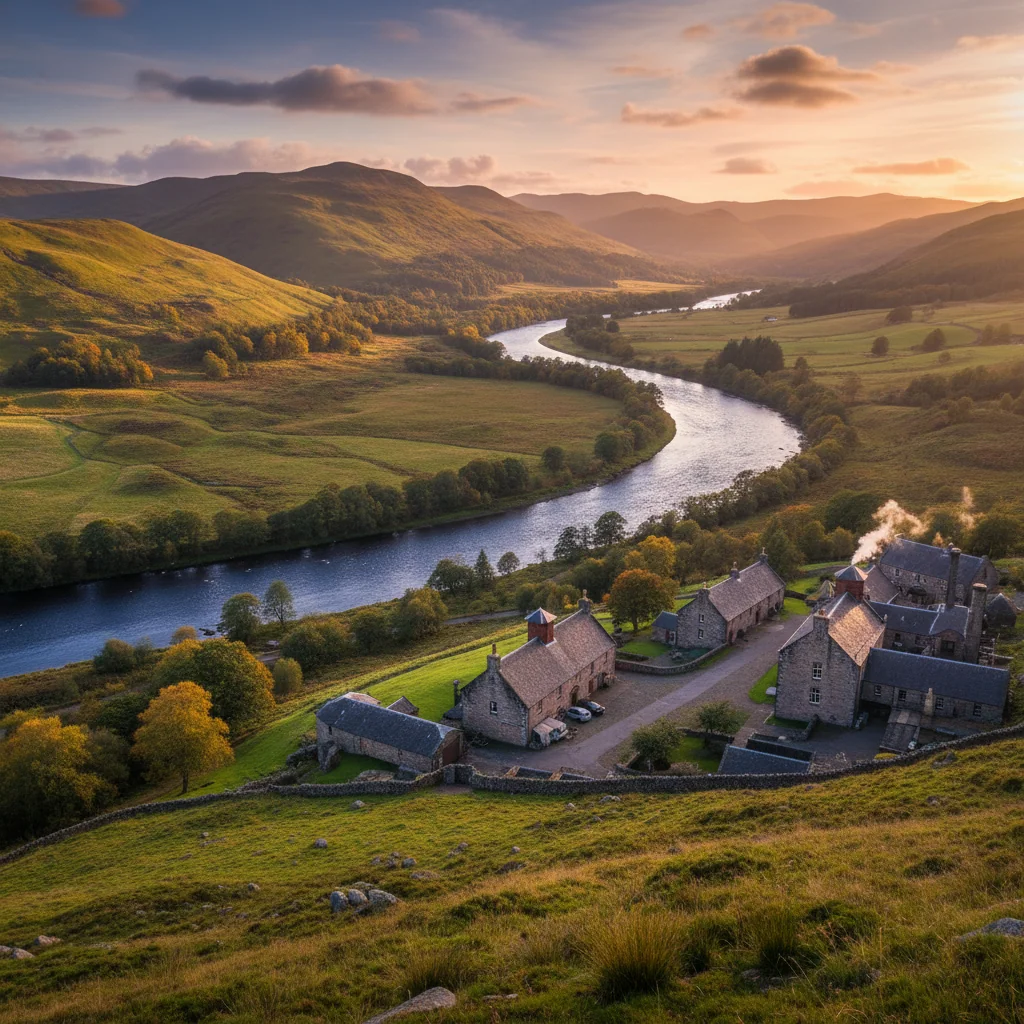
The Speyside Voyage: 53 Distilleries, One River Valley
A data-driven guide to all 53 Speyside distilleries — from Glenfiddich to hidden workhorse malts that power Scotland's greatest blends.
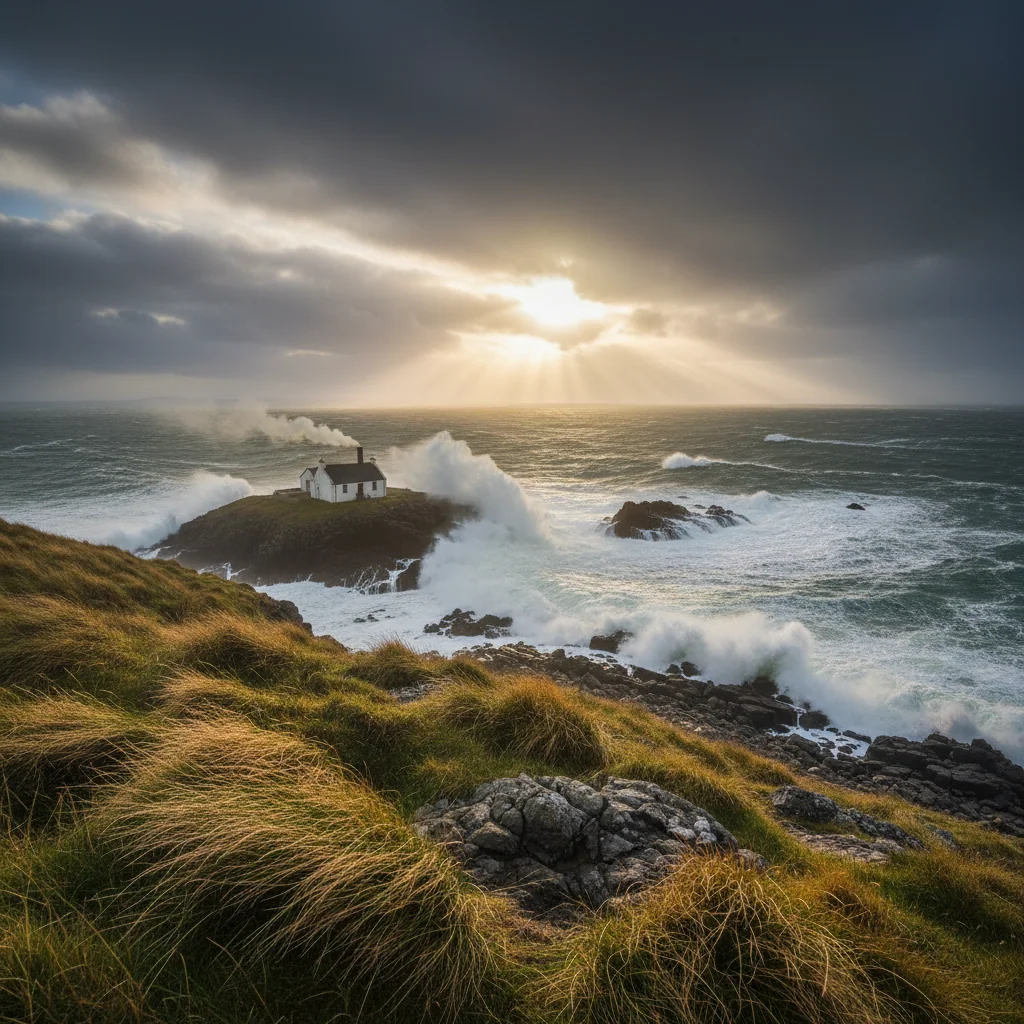
The Islay Pilgrimage: Every Distillery on Whisky's Wildest Island
All 12 active distilleries on Islay mapped and profiled — from Ardbeg's peat thunder to Bunnahabhain's unpeated elegance.
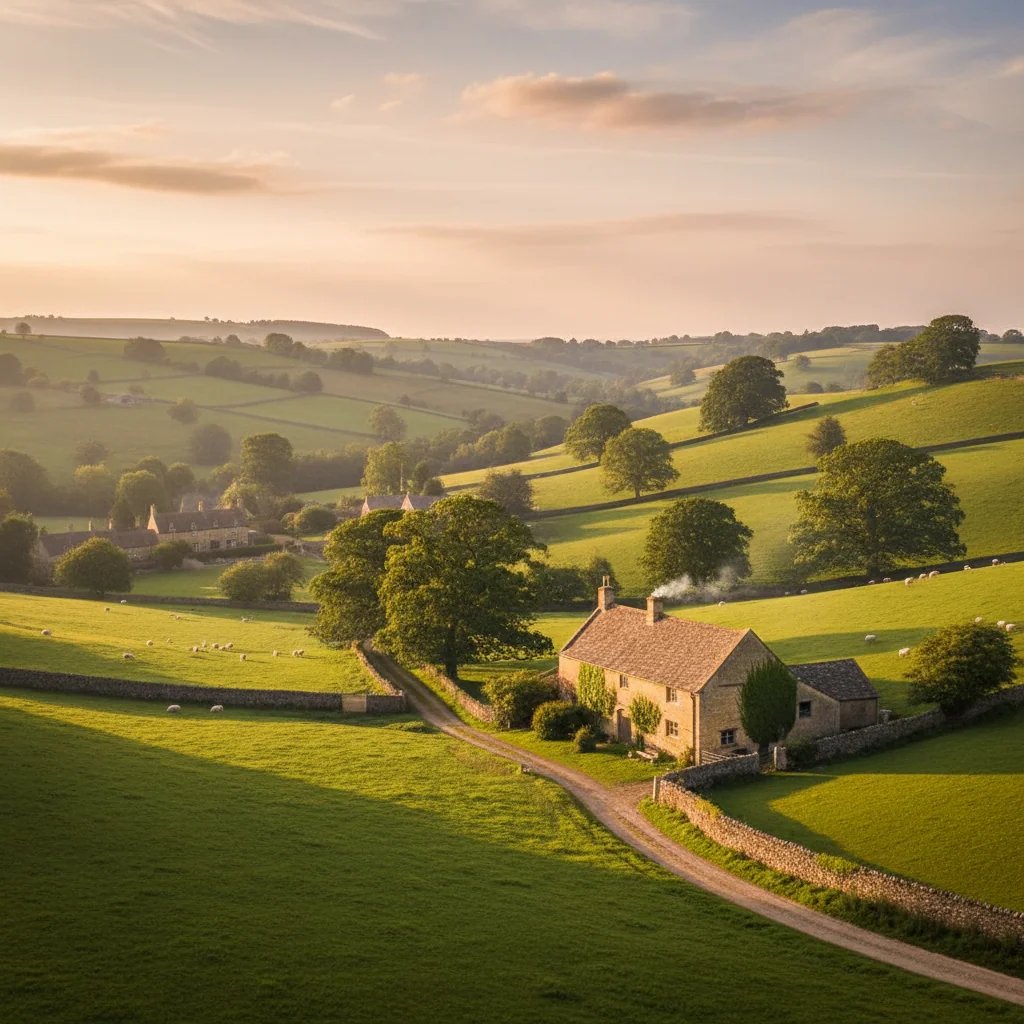
English Whisky: The Lakes, Cotswolds, and London's New Wave
22 English distilleries from Norfolk to the Lake District — a new whisky nation finding its voice outside Scotland's shadow.