North Highland & Orkney: Where Whisky Meets the Arctic
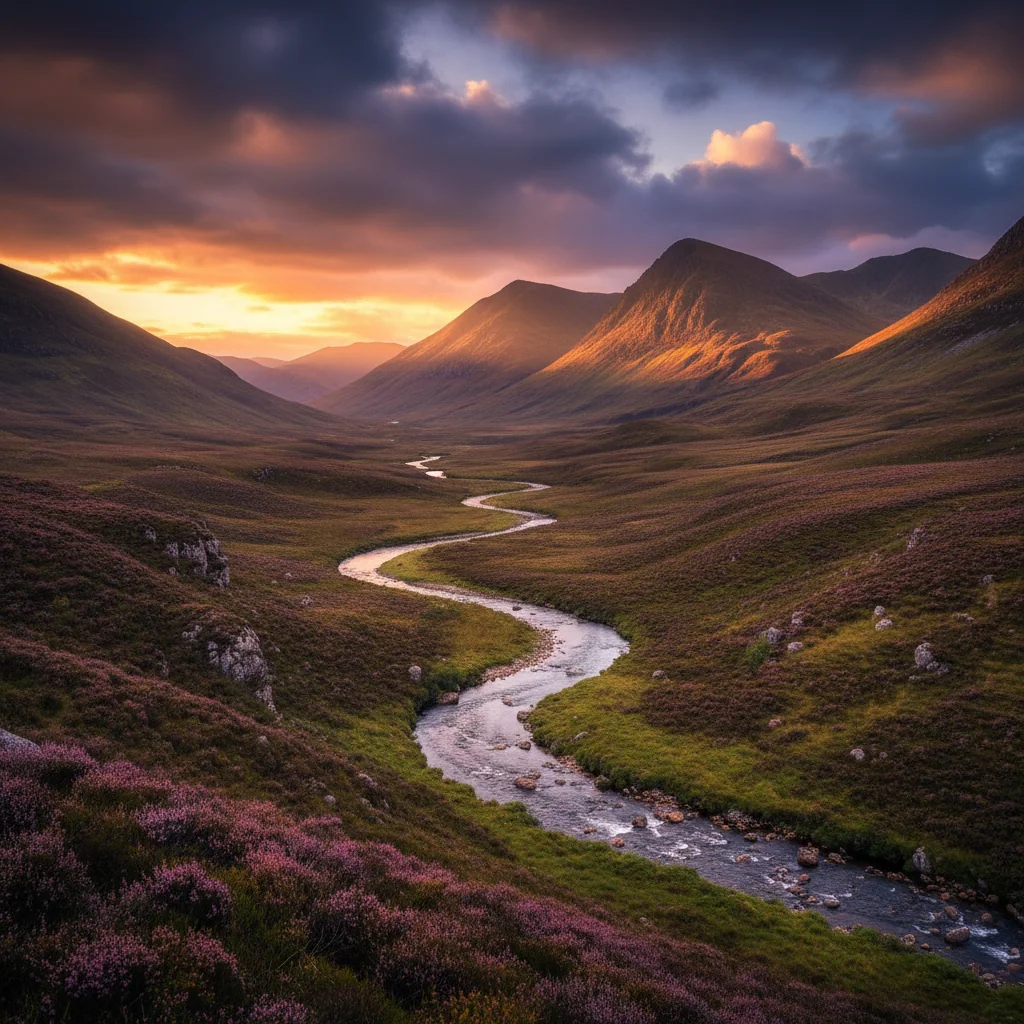
The compass reads north-northwest and the water is changing. Past Inverness the land rises sharply, roads narrow to single track, and the coast begins to fracture into bays and headlands that look like they were torn rather than eroded. The light at this latitude does not behave — summer evenings stretch past midnight, winter mornings barely arrive. You can taste the latitude in the whisky: brine, heather, cold stone, and a wildness that Speyside's polished malts never quite reach.
North Scotland is where whisky stops being an industry and becomes something closer to an act of defiance. These distilleries exist at the edge of the mainland and beyond it, on islands where the wind rarely drops below uncomfortable. The malts they produce carry that geography in every sip — coastal, mineral, occasionally brutal, always honest.
The Maritime Malts: Wick and the North Coast
Old Pulteney DistilleryNorth ScotlandToursShop sits in the harbour town of Wick, which in the nineteenth century was the herring capital of Europe. The distillery was built in 1826 to serve the fishing fleet's thirst, and the spirit still tastes of the sea — salt spray, green apple, and a distinctive oiliness that whisky people describe as "maritime." The distillery's peculiar still, with its flat top that was allegedly too tall for the building and had to be cut and bent, produces a spirit unlike anything else in Scotland.
Old Pulteney Distillery
Old Pulteney 12 Year Old
Sea salt and green apple on the nose, with a hint of honey and dried flowers. The palate is clean, slightly oily, with lemon zest, toasted almonds, and a distinct brininess. Finishes dry and crisp with lingering salt and white pepper. Proper value — this costs less than many NAS whiskies and drinks better than most of them.
Buy on The Whisky ShopFurther west along the north coast, Wolfburn DistilleryNorth ScotlandToursShop holds the title of mainland Scotland's most northerly distillery. Revived in 2013 on the site of an original 1822 distillery near Thurso, Wolfburn produces a clean, slightly honeyed spirit that shows real promise. The Morven expression, lightly peated, offers a taste of what the far north does with smoke — restrained, coastal, and subtly different from Islay's thunder.
The East Coast: Glenmorangie and Dalmore
Heading south down the A9, the character shifts. Glenmorangie DistilleryNorth ScotlandToursShop in Tain operates Scotland's tallest stills — 5.14 metres, roughly the height of a full-grown giraffe, as the marketing department never tires of mentioning. The height matters because it means only the lightest, most delicate vapours reach the top and condense. The result is a spirit of unusual elegance for a Highland malt, and Glenmorangie was the first distillery to pioneer wood-finishing — maturing whisky in port, sherry, and Sauternes casks before it became fashionable.
The Dalmore DistilleryNorth ScotlandToursShop sits just down the road and could not be more different. Where Glenmorangie chases finesse, Dalmore chases richness. The stag-emblem bottles, filled with heavily sherried, orange-peel-and-chocolate spirit, have positioned Dalmore as a luxury brand. The 12-year-old remains a solid entry point, though the King Alexander III — matured in six different cask types — is where the distillery really shows off.
Brora and Clynelish: The Wax and the Legend
The town of Brora has the unusual distinction of hosting two distilleries side by side. Clynelish DistilleryNorth Scotland, built in 1967, produces a waxy, tropical-fruited malt that has achieved cult status among whisky enthusiasts. The 14-year-old is one of those bottles that converts people — hand it to someone who claims not to like whisky and watch their expression change.
Next door, Brora DistilleryNorth ScotlandTours reopened in 2021 after 38 years of silence. The original Brora malts, produced between 1969 and 1983 (some peated, some unpeated), became some of the most expensive and sought-after whiskies in the world. Diageo invested heavily in the reopening, and new spirit is now maturing — though it will be a decade or more before we can compare it to the legend.
The Interior: Dalwhinnie and the Pass
Dalwhinnie DistilleryNorth ScotlandTours holds the record as Scotland's highest distillery at 326 metres above sea level, sitting at the meeting point of the old drove roads through the Cairngorms. The whisky is gentle, honeyed, and approachable — chosen to represent the Highland region in Diageo's Classic Malts selection. The visitor centre is a natural stopping point on the A9 between Edinburgh and Inverness, and the distillery's weather station has recorded some of Scotland's coldest temperatures.
Orkney: Viking Peat
The ferry from Scrabster to Stromness takes ninety minutes and deposits you in whisky territory that feels more Norse than Scottish. Highland Park DistilleryNorth ScotlandToursShop in Kirkwall, founded in 1798, is the most northerly Scotch whisky distillery and one of the very few that still operates floor maltings. For a direct comparison of Highland Park with Talisker on Skye, see our island rivalry head-to-head. But what makes Highland Park unique is its fuel: local Orkney heather peat, which burns differently from mainland peat and gives the whisky a distinctive floral smokiness — not the iodine blast of Islay, but something softer, more aromatic, like walking across a moorland in August.
Highland Park Distillery
Highland Park 12 Year Old Viking Honour
Heather honey, aromatic peat smoke, and dried orange peel on the nose. The palate balances sweet and smoky — candied ginger, dark chocolate, and a gentle phenolic warmth. Finishes with smoked heather, beeswax, and a touch of black pepper. Remarkably well-balanced for a 12-year-old, and arguably the best introduction to peated whisky for anyone intimidated by Islay.
Buy on The Whisky BarrelScapa DistilleryNorth ScotlandTours is Orkney's other distillery, overlooking the waters of Scapa Flow where the German fleet was scuttled in 1919. Scapa produces a smoother, unpeated spirit — honeyed and slightly salty — that provides a useful contrast to Highland Park's heathered smoke.
Smaller producers are arriving too. Deerness Distillery (2016) and Orkney Distilling in Kirkwall (2018) are both craft operations producing gin now and maturing whisky for future release. Even Shetland has entered the game: Saxa Vord on Unst and the new Lerwick Distillery (2025) are pushing Scotland's whisky frontier further north than ever.
The Middle Ground
Several distilleries in this region do not fit neatly into coastal or interior categories but deserve attention. Balblair DistilleryNorth ScotlandToursShop near the Dornoch Firth, founded in 1790, produces one of the most consistently excellent Highland malts — fruity, honeyed, and complex. Royal Brackla (1812) was the first distillery to receive a Royal Warrant. Tomatin, south of Inverness, was once Scotland's largest distillery by capacity and is now Japanese-owned, producing reliable and affordable Highland malts. Glen Ord, Teaninich, and GlenWyvis (Scotland's first community-owned distillery) round out the Inverness-area cluster.
And Dornoch Distillery — a tiny operation run by the Thompson brothers using organic barley and direct-fired stills — represents the craft end of the spectrum. Their output is minuscule but the quality is extraordinary.
Planning Your Visit
Getting there: Inverness is the gateway. Fly in, or take the Caledonian Sleeper from London Euston — it departs in the evening and arrives at Inverness early the next morning, leaving the full day ahead of you. For those coming from Edinburgh or Glasgow, regular ScotRail trains take roughly 3.5 hours. For Orkney, CalMac ferries run from Scrabster (near Thurso) to Stromness, or fly from Inverness to Kirkwall.
How long: Five days covers the mainland distilleries and Orkney. Add another day or two if venturing to Shetland.
The North Coast 500: Scotland's famous road trip circuit passes many of these distilleries. Combining the NC500 with distillery visits is an excellent strategy, though the driving distances are real — Inverness to Wick is three hours on roads that demand attention.
Weather: Unpredictable at best, hostile at worst. Bring layers and waterproofs regardless of season. Orkney's wind is a genuine physical force from October to March.
Where to stay: Inverness for the southern distilleries. Wick or Thurso for the north coast. Kirkwall for Orkney — the town has good restaurants and both distilleries are within walking distance.
Book ahead: Highland Park tours fill quickly in summer. Brora operates limited visitor tours that require advance booking. Glenmorangie and Dalmore are more accessible but still worth pre-booking. See our ranking of the best distillery tours in the UK for full tour details and booking advice.
Browse all North Scotland distilleries — filter by tours, shops, and founding year — in the Chart Room.
Continue the voyage
The Speyside Voyage: 53 Distilleries, One River Valley
A data-driven guide to all 53 Speyside distilleries — from Glenfiddich to hidden workhorse malts that power Scotland's greatest blends.
The Islay Pilgrimage: Every Distillery on Whisky's Wildest Island
All 12 active distilleries on Islay mapped and profiled — from Ardbeg's peat thunder to Bunnahabhain's unpeated elegance.
English Whisky: The Lakes, Cotswolds, and London's New Wave
22 English distilleries from Norfolk to the Lake District — a new whisky nation finding its voice outside Scotland's shadow.