Scottish Whisky Regions Explained: What They Actually Mean
Scotland's whisky regions are real. They are also easy to overstate.
The Scotch Whisky Regulations 2009, cited by the Scotch Whisky Association in its regional guidance, protect five regional names for Scotch whisky: Highland, Lowland, Speyside, Islay, and Campbeltown. The Islands are not a separate legal region. Talisker on Skye, Highland Park on Orkney, Arran, Jura, Tobermory, and the other island distilleries are legally Highland, even though drinkers and travel guides usually treat the Islands as their own practical group.
That legal map matters. It tells you where a whisky was distilled and protects regional names from being used loosely. It also gives WhiskeyAtlas a sane way to organise a country with well over a hundred active Scotch whisky distilleries. Start in the Chart Room, filter by region, and Scotland becomes legible.
What the regions do not give you is a binding flavour code.
Why Regions Used To Matter More
Regional flavour made more sense when whisky was more local.
Distilleries used nearby barley because transport was expensive. Peat came from local mosses and carried local vegetation. Casks arrived through local ports and trade routes. Distilleries in the same area often shared labour, fuel, warehouses, and habits.
So the old shorthand had some basis. Islay became linked with peat smoke and sea air. Speyside became linked with fruit, honey, and sherry casks. Lowland whisky gained a reputation for lighter spirit. Campbeltown became known for oily, briny malt. Highland was always more varied, but even there people talked about coastal, northern, and eastern styles.
The problem is that many drinkers still treat those patterns as if they are laws. They are not. The Whisky Exchange's "Scotland's whisky regions explained" article argues that Scotch regionality is partly political history with a shaky link to flavour (The Whisky Exchange "Scotland's whisky regions explained" article, 2026-05-03 ingest). That critique is fair. It does not make regions useless. It does mean we should stop pretending the map can taste the whisky for you.
What Regions Mean Now
Modern Scotch production is far less tied to immediate locality.
Barley can be bought from across Scotland, England, or further afield. Malt can be peated to specification. A distillery can make heavily peated spirit one week and unpeated spirit the next. Casks can be bourbon, sherry, wine, rum, virgin oak, or a mix. Maturation may happen away from the distillery site.
Bunnahabhain is on Islay, but its core identity is largely unpeated, nutty, coastal, and sherried. That breaks the lazy rule that "Islay means smoke." Bruichladdich makes unpeated Classic Laddie, but also Octomore, one of the most heavily peated names in Scotch. Same island, radically different choices.
Highland is even broader. Glenmorangie is tall-stilled, elegant, citrus-led, and polished. The Dalmore is darker, richer, and more sherry-cask driven. Both are Highland.
Campbeltown gives the cleanest warning against regional certainty. Springbank is oily, complex, lightly smoky, and idiosyncratic. Glengyle, which makes Kilkerran, shares the same town but has its own balance of malt, fruit, mineral notes, and peat.
The Regions, Used Properly
Speyside is Scotland's densest whisky area, clustered around the River Spey and its tributaries. It is still a good starting point for fruit-led, approachable single malt, but the range runs from light orchard fruit to meaty worm-tub spirit and heavy sherry influence. Use the Speyside voyage to understand the cluster, not to assume every bottle will be gentle.
Highland is the largest legal region and the least useful as a single flavour label. It includes northern coastal distilleries, central Highland malts, Perthshire sites, and all the legally Highland island distilleries. Treat Highland as a geography first. The Highland north expedition works because the route makes sense, not because every stop tastes alike.
Islay has the strongest regional identity because many of its best-known distilleries use peat heavily. Ardbeg, Laphroaig, Lagavulin, Caol Ila, and Kilchoman made the island famous for smoke, iodine, salt, and medicinal notes. Still, Bunnahabhain and Bruichladdich prove that Islay is not a synonym for peat.
Lowland is usually described as light, grassy, floral, and gentle. That can be useful for beginners, but the modern region includes new producers, richer cask-led whiskies, and peated work. Triple distillation at Auchentoshan is a distillery choice, not a Lowland rule.
Campbeltown is legally protected despite having only three active distilleries: Springbank, Glen Scotia, and Glengyle. Its reputation rests on history as much as flavour. The town once had more than 30 distilleries and was one of the great whisky centres of the world.
The Islands are not legally separate, but they are useful for travel and tasting. Skye, Orkney, Arran, Mull, Jura, Raasay, Harris, and Lewis are not one flavour family. What they share is geography: ferries, weather, distance, coastal warehouses, and the sense that island whisky is often best understood by going there.
Why The Map Still Works
Region-led navigation is still the right structure for WhiskeyAtlas because drinkers do not only buy flavour. They plan weekends, compare neighbours, build tasting flights, and learn history through place.
A region lets you ask better questions. Why do two Islay distilleries use peat so differently? Why does Speyside have so many distilleries in such a small area? Why does Campbeltown matter far beyond its current size?
Those are better questions than "what does Highland taste like?"
Use regions as a map, then test the map against the glass. Build an Islay flight with peated and unpeated malts. Taste Glenmorangie against Dalmore and ask what "Highland" really tells you. Put Springbank and Kilkerran side by side before claiming Campbeltown has one house style.
For visiting, the regional model remains essential. The best distillery tours in Scotland are easier to plan by cluster. Speyside rewards a multi-day base. Islay needs ferry planning. Campbeltown is compact but remote. The map helps you move through Scotland without pretending it can predict every aroma in the glass.
That is the honest bargain: Scottish whisky regions are history, law, geography, and habit. They are not destiny.
Continue the voyage
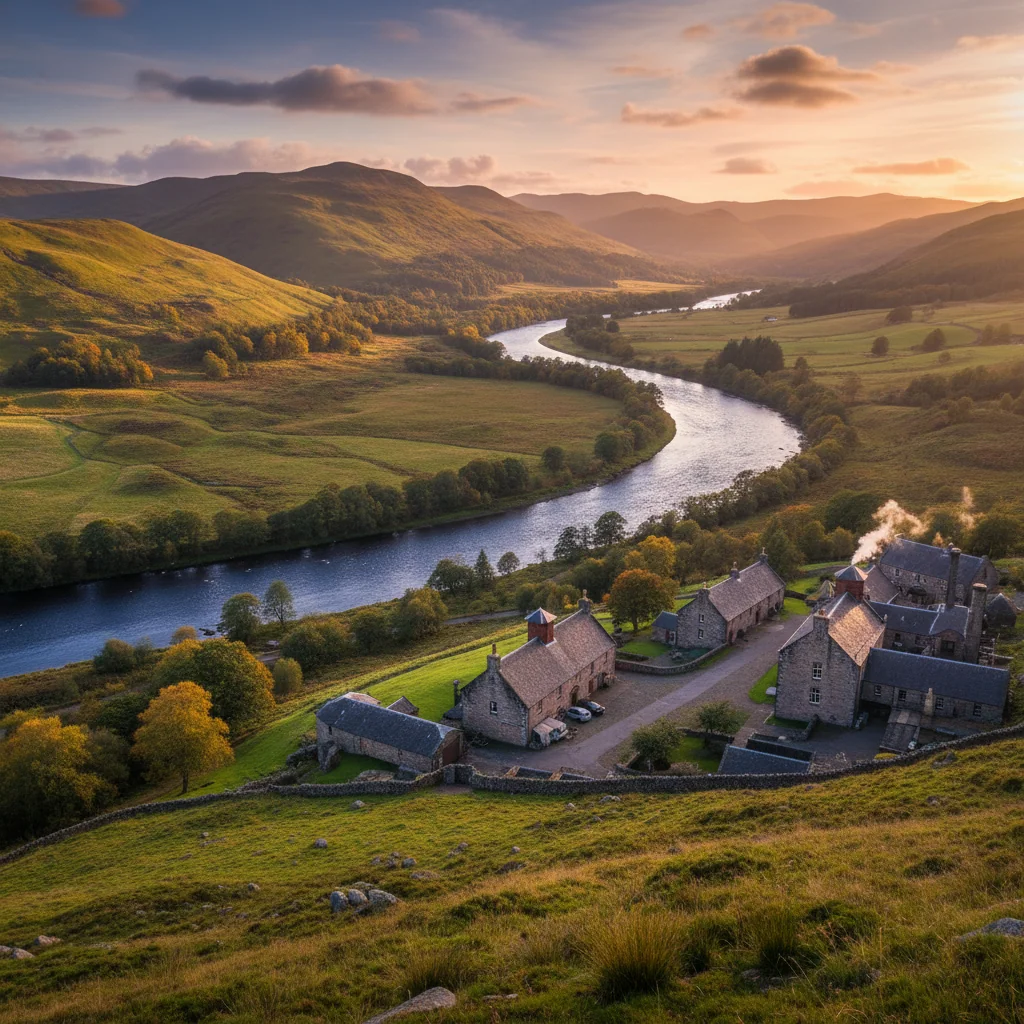
The Speyside Voyage: 53 Distilleries, One River Valley
A data-driven guide to all 53 Speyside distilleries — from Glenfiddich to hidden workhorse malts that power Scotland's greatest blends.
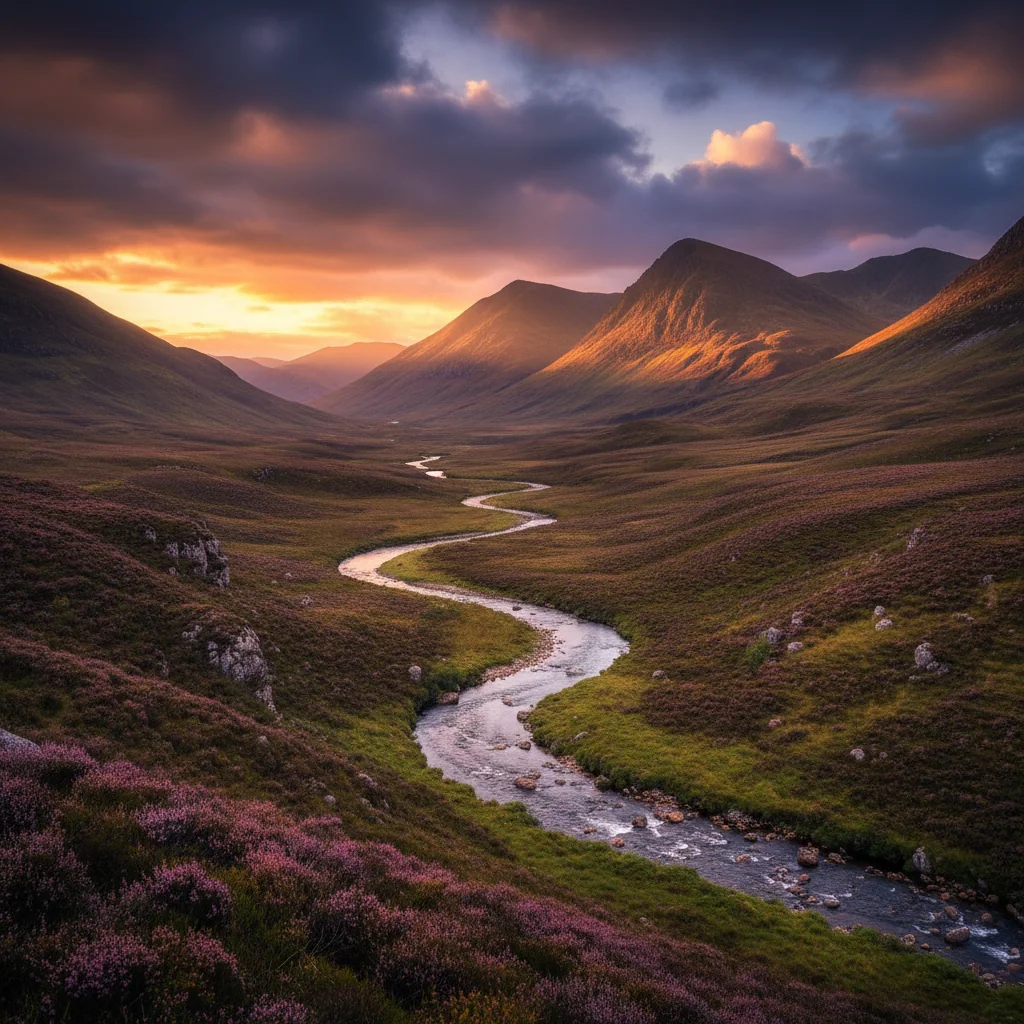
North Highland & Orkney: Where Whisky Meets the Arctic
20 distilleries along Scotland's wild north coast and out to Orkney — from Old Pulteney's harbourside stills to Highland Park's heather peat.
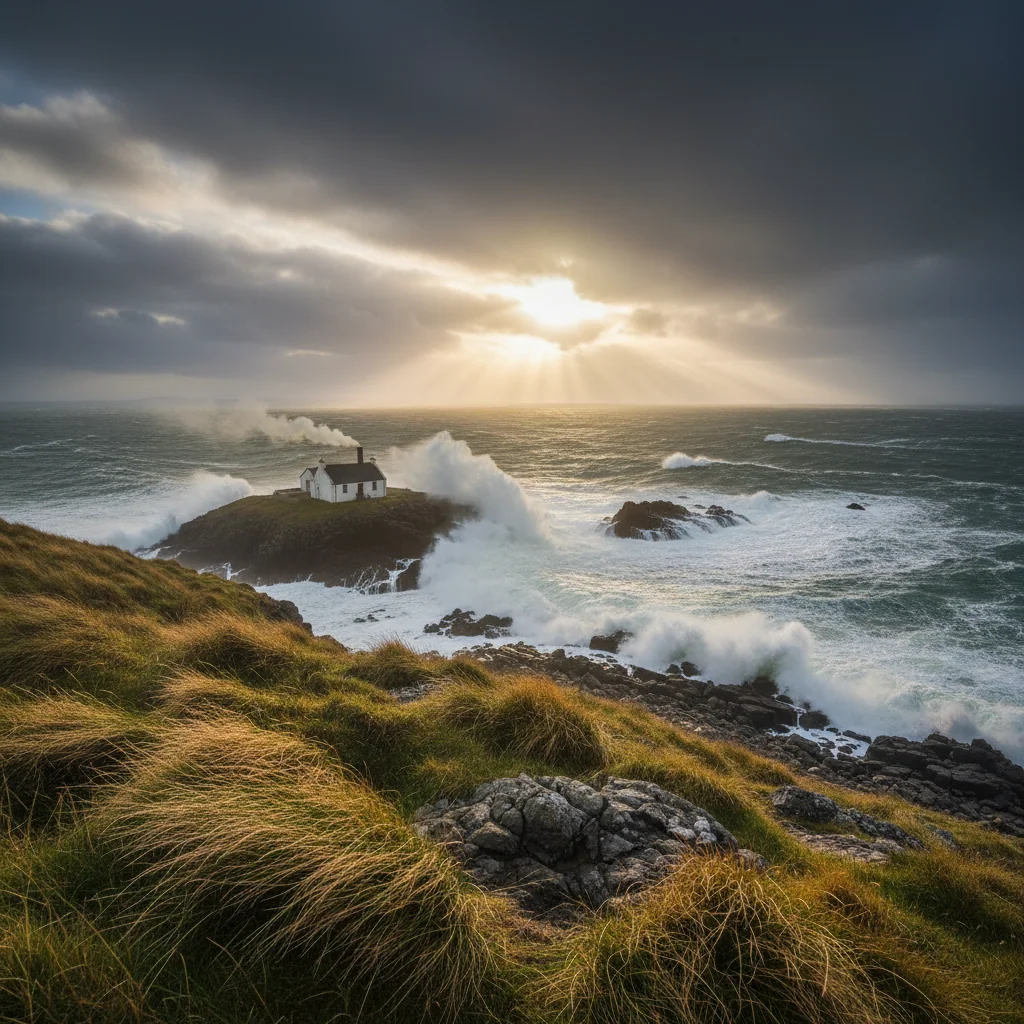
The Islay Pilgrimage: Every Distillery on Whisky's Wildest Island
All 12 active distilleries on Islay mapped and profiled — from Ardbeg's peat thunder to Bunnahabhain's unpeated elegance.
The Best Distillery Tour Experiences in Scotland: Ranked
Ranked: the best distillery tour experiences in Scotland — from warehouse draws and interactive masterclasses to blending sessions and private cask access.