Weekend on Islay: Ferry, Distilleries, and Where to Eat
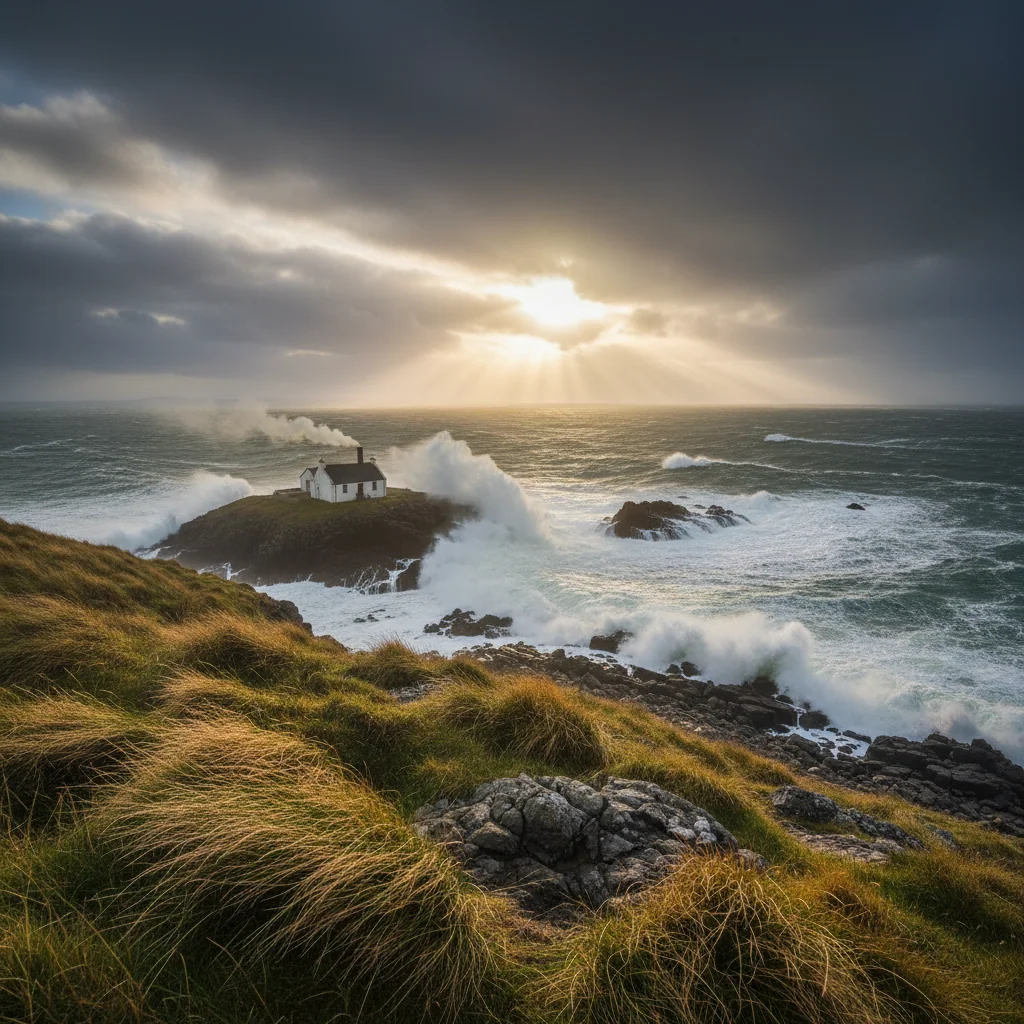
First entry from Islay: the ferry from Kennacraig took two hours and twelve minutes. Stepped off at Port Askaig into horizontal rain that tasted of salt and wood smoke. The first distillery chimney appeared before the car park exit. This island does not believe in subtlety.
Islay is twenty-five miles long, home to 3,000 people and twelve working distilleries, and it will try to pour you more whisky in a weekend than most people drink in a year. The trick is not to let it. A weekend here — two full days, three nights — is enough to visit eight distilleries at a pace that respects your palate, your liver, and the island's unhurried rhythm.
Getting There
Ferry: CalMac runs from Kennacraig (on the Kintyre peninsula, about 2.5 hours from Glasgow) to either Port Askaig or Port Ellen. Sailings run two to four times daily depending on season. Book at calmac.co.uk as early as possible — car spaces sell out in summer and during Feis Ile. A return ticket for car plus driver is roughly £70-80. The crossing takes just over two hours and is rarely as rough as the Atlantic reputation suggests, though the Kintyre stretch can pick up a swell in autumn and winter. There are heated lounges, a café, and enough deck space to watch Islay appear over the horizon — one of the better travel moments in Scotland.
Flying: Loganair operates Glasgow to Islay daily. Flight time is 40 minutes. The plane is small, the views are spectacular, and you will need to hire a car on arrival (D&N MacKenzie in Bowmore).
On the island: You need a car. There are no buses between distilleries. Roads are single-track in places. Drive slowly — sheep have right of way and they know it.
Where to Stay
Bowmore: The Harbour Inn sits right on the waterfront with a dining room that punches above its weight. The Lochside Hotel is a reliable budget option. Both are central to everything.
Port Charlotte: The Port Charlotte Hotel has one of the island's best restaurants and sits opposite Bruichladdich DistilleryScottish IslandsToursShop. If you stay here, you can walk to your first tour.
Port Ellen: Fewer options but a good base for the southern distilleries. The Islay Hotel and several B&Bs cover the basics.
Day 1: The Southern Shore and the West Coast
Start from Port Ellen and head east along the coast road — the three most famous Islay distilleries line up in a row like they are waiting for you.
Laphroaig DistilleryScottish IslandsToursShop, Lagavulin DistilleryScottish IslandsTours, and Ardbeg DistilleryScottish IslandsToursShop are the holy trinity of Islay peat. Visiting them consecutively teaches you that "peated" is not a single flavour — Laphroaig is medicinal and coastal, Lagavulin is deep and sophisticated, and Ardbeg is explosive yet sweet. Same peat, same water source, completely different whiskies. Our ranking of every Islay distillery by peat level shows where each one sits on the spectrum before you visit.
Lagavulin Distillery
Lagavulin 16 Year Old
Massive peat smoke tempered by dried fruit sweetness. Bonfire embers, iodine, and tarred rope on the nose. Rich and oily on the palate with sea salt, dark chocolate, and smoked meat. The finish stretches for minutes — dry peat, espresso, and a ghost of vanilla.
Buy on The Whisky ShopKilchoman DistilleryScottish IslandsToursShop is the antidote to industrial scale. Founded in 2005, it is Islay's newest and smallest distillery, and watching them produce whisky from field to bottle on a single farm is a reminder that distilling is, at its core, farming.
Day 2: The North and Centre
Day two takes you to Islay's unpeated side and its oldest names. This is where the island reveals its range.
Bruichladdich DistilleryScottish IslandsToursShop is Islay's maverick. The "Progressive Hebridean Distillers" tagline is earned — they publish the provenance of every barley farmer on their bottles, use no computers in the stillhouse, and produce Octomore at over 200 PPM phenols, making it the most heavily peated commercially available whisky on the planet. Yet their Classic Laddie is entirely unpeated, floral, and delicate. Range is the point.
Bowmore DistilleryScottish IslandsToursShop occupies the middle ground both geographically and flavour-wise. The 12-year-old balances smoke, fruit, and sea salt in a way that makes it an excellent introduction to peated whisky for people who find Laphroaig too aggressive. The distillery pool — heated by waste energy from the stills — is open to the public. Only on Islay.
Bunnahabhain DistilleryScottish IslandsToursShop and Ardnahoe DistilleryScottish IslandsToursShop sit on the northeast coast, exposed to the Sound of Islay and the mountains of Jura across the water. Bunnahabhain's unpeated 12-year-old is one of Islay's best-kept secrets — honeyed, nutty, and maritime without a wisp of smoke. If someone tells you they do not like Islay whisky, pour them this.
Bunnahabhain Distillery
Bunnahabhain 12 Year Old
Unpeated and proud of it. Honey, dried fruit, and sea salt on the nose. The palate brings malt, toasted nuts, and a gentle maritime quality — brine and rockpools rather than bonfire smoke. Non-chill-filtered at 46.3%, which gives it a lovely oily texture. Islay for peat sceptics.
Buy on The Whisky ShopFrom the crew
If you missed Caol Ila DistilleryScottish IslandsTours — Islay's largest distillery by capacity, tucked between Bunnahabhain and Ardnahoe — it is worth a stop. The 12-year-old is lighter and more citric than the southern distilleries, and Diageo has recently improved the visitor experience. It does not get the attention of its neighbours, but the whisky is consistently excellent.
Where to Eat
Islay's food scene has improved significantly in recent years. Beyond the hotel restaurants:
- Ardbeg Old Kiln Cafe — Proper lunch, excellent seafood chowder, views over the bay
- Peatzeria, Port Ellen — Wood-fired pizza on Islay. It works better than it sounds
- The Islay Crab Shack — Seasonal pop-up serving langoustines and crab from local boats
- Bowmore Co-op — For self-catering supplies and the reality check of island grocery prices
Practical Notes
Pace yourself: Eight distilleries means roughly twenty-five individual drams if you taste everything offered. Use spit cups, share samples, or designate a driver. Every distillery provides spittoons without judgement. For guidance on which tours are worth the premium experience bookings, see our guide to the best distillery tours in the UK — Lagavulin's warehouse tasting and Ardbeg's deconstructed tour both appear on the list.
What to buy: Distillery-exclusive bottlings are the main reason to buy on the island. Laphroaig's Cairdeas releases, Ardbeg's committee bottlings, and Kilchoman's single cask selections are all worth carrying home.
When to visit: May through September is peak season. Feis Ile (late May) is the whisky festival — every distillery hosts an open day and releases exclusive bottlings. Book accommodation six months ahead for festival time. October and November are quieter, wetter, and windier, but the distilleries are less crowded and the light is beautiful.
Continue the voyage
The Islay Pilgrimage: Every Distillery on Whisky's Wildest Island
All 12 active distilleries on Islay mapped and profiled — from Ardbeg's peat thunder to Bunnahabhain's unpeated elegance.
Best Peated Whiskies: 10 Smoke Signals Worth Following
10 peated whiskies ranked from gentle smoke to full peat monster. Not just Islay — the best smoky drams from across Scotland.
Every Islay Distillery Ranked by Peat Level
All 11 Islay distilleries ordered from lightest to heaviest peat, with real PPM levels, tasting notes, and bottles worth trying.