Every Islay Distillery Ranked by Peat Level
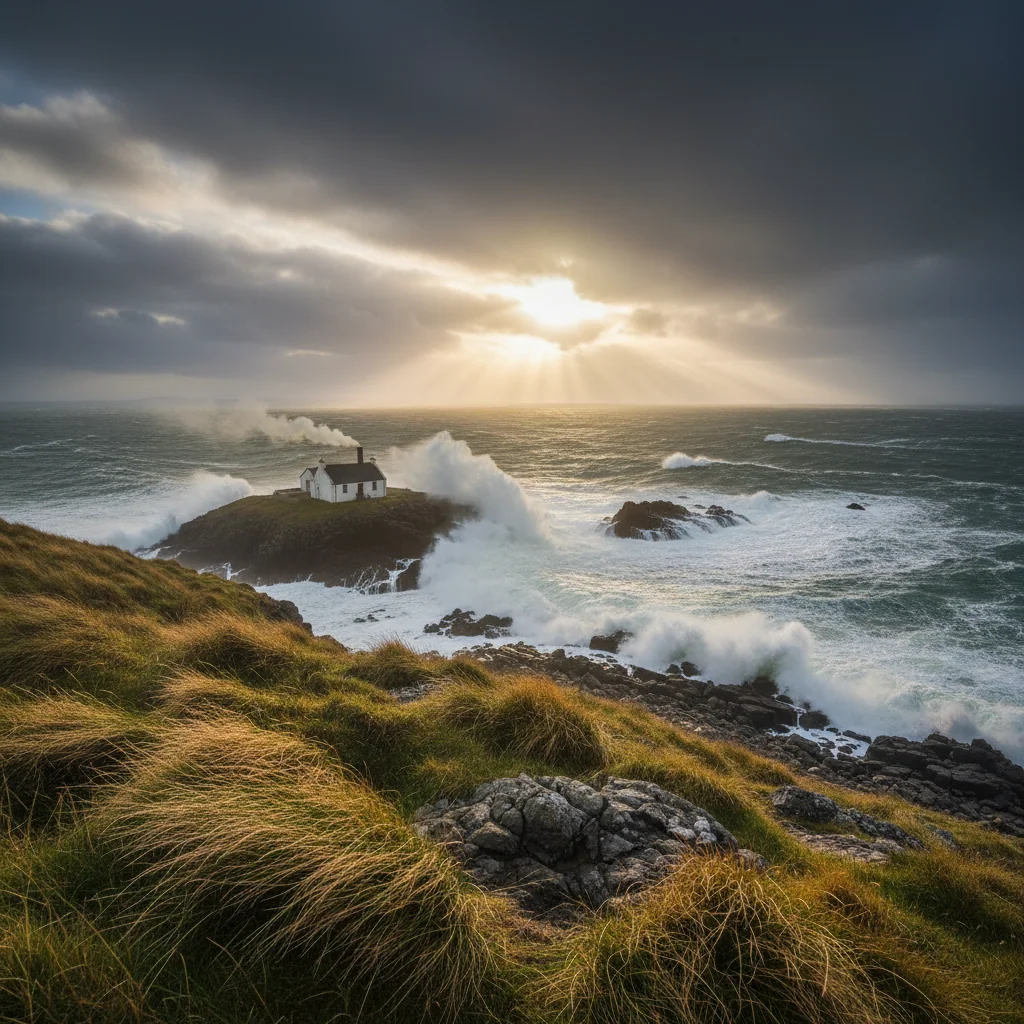
The wind off the Atlantic hits the port side first, carrying peat smoke and salt spray in equal measure. Islay is not a large island — twenty-five miles long, barely twenty wide — but it holds more distilling firepower per square mile than anywhere on earth. The ferry from Kennacraig takes two hours. You will smell the peat before you see land.
People talk about Islay as though every dram tastes like a campfire. It is not true. The island produces everything from light, maritime whisky with barely a wisp of smoke to spirit that registers over 50 parts per million of phenols — essentially liquid bonfire. Here is every Islay distillery, ranked from gentlest to most ferocious.
Understanding PPM
Before the ranking: PPM stands for parts per million and measures phenol content in malted barley. A higher PPM means more peat smoke was absorbed during kilning. But PPM is measured in the malt, not the final whisky — distillation, maturation, and dilution all reduce the perceived smokiness. A 50 PPM malt does not produce a 50 PPM dram. Think of it as a rough intensity dial, not a precise measurement.
Most mainland Scottish whiskies use malt at 0-5 PPM. Islay's peated range typically sits between 25-55 PPM, though Bruichladdich's Octomore series has pushed past 300 PPM in experimental releases.
1. Bunnahabhain — ~2 PPM (lightest)
Bunnahabhain DistilleryScottish IslandsToursShopThe most northerly Islay distillery, and the one that confounds expectations. Bunnahabhain's core range is predominantly unpeated — soft, nutty, maritime-influenced, with a sea-spray character from its exposed position overlooking the Sound of Islay. Founded in 1881, it has spent most of its life quietly providing malt for blends. The 12 Year Old is a gentle, sherried dram with barely a trace of smoke. They do make occasional peated expressions (the Toiteach series), but the house style is firmly on the light side.
2. Bruichladdich (Classic Range) — ~0 PPM (unpeated core)
Bruichladdich DistilleryScottish IslandsToursShopThis is where it gets complicated. Bruichladdich the brand produces three distinct lines: unpeated Bruichladdich (the Classic Laddie, Islay Barley), heavily peated Port Charlotte (~40 PPM), and the ultra-peated Octomore series (80-309 PPM in various releases). The classic Bruichladdich range uses completely unpeated malt — floral, citrusy, with a mineral backbone. Do not let the Islay postcode fool you. We are ranking the house style here, which is unpeated, but this distillery contains multitudes.
3. Caol Ila (unpeated releases) — ~2-5 PPM
Caol Ila DistilleryScottish IslandsToursIslay's largest distillery, producing more spirit than any other on the island, much of it destined for Diageo blends. Caol Ila's core range is peated (around 35 PPM), but they release occasional unpeated expressions — the Caol Ila Unpeated series and some Diageo Special Release bottlings. These unpeated versions reveal a surprisingly delicate, waxy, lemon-oil character underneath the usual smoke.
4. Bowmore — ~20-25 PPM
Bowmore DistilleryScottish IslandsToursShopIslay's oldest distillery (1779) sits at the moderate end of the peat spectrum. Bowmore's smoke is not aggressive — it is more lavender, violet, and tropical fruit with a backdrop of gentle peat. The 12 Year Old is a good entry point: smoky, yes, but balanced with honey and dark chocolate. One of the few distilleries still malting its own barley, which gives them direct control over peat levels.
Bowmore
Bowmore 12 Year Old
Lemon, honey, gentle peat smoke, dark chocolate on the finish. The gateway Islay malt — smoky enough to be interesting, restrained enough for daily drinking.
Buy on The Whisky Shop5. Ardnahoe — ~25-30 PPM
Ardnahoe DistilleryScottish IslandsToursShopIslay's newest operational distillery (2019), founded by Hunter Laing. Ardnahoe sits on the northeast coast with stunning views across the Sound of Islay. Their early releases suggest a medium-peated house style — smoky but not overwhelming, with a fruity sweetness underneath. Still very young, but the peat level sits comfortably in the middle of the Islay range. First official releases are arriving now.
6. Caol Ila (core range) — ~35 PPM
Caol Ila DistilleryScottish IslandsToursBack to Caol Ila, but this time the peated core. At 35 PPM, it is firmly in the smoky camp, but the distillery character adds an elegance that heavier-peated malts do not always have. The 12 Year Old is oily, citrusy, and smoky — think smoked lemon rather than smoked ham. It is arguably the best value peated Islay malt you can buy, and it appears in countless blends for good reason.
7. Kilchoman — ~25-50 PPM (varies by expression)
Kilchoman DistilleryScottish IslandsToursShopIslay's farm distillery (founded 2005) grows, malts, distils, matures, and bottles on-site — the only distillery on Islay that does everything. Their peat levels vary: the Machir Bay sits around 25 PPM, while the 100% Islay (made entirely from estate-grown barley, malted on-site) can push to 50 PPM. Young, vibrant whisky with a coastal, grassy peat character.
8. Port Ellen — ~35-40 PPM (historical)
Port Ellen DistilleryScottish IslandsToursThe legend. Port Ellen closed in 1983 and its remaining casks became some of the most sought-after (and expensive) whiskies in the world. Diageo reopened the distillery in 2024 after 41 years of silence. Historical bottlings suggest a peat level around 35-40 PPM — smoky, maritime, with an ashy, medicinal quality. The new make is still maturing; we will not know the character of the new Port Ellen for years yet.
9. Lagavulin — ~35-40 PPM
Lagavulin DistilleryScottish IslandsToursIf Islay had a capital, Lagavulin would be the parliament building. Founded in 1816, its 16 Year Old is one of the defining expressions of peated whisky — dense, smoky, sweet, with iodine, sea salt, and dried fruit. At 35-40 PPM, it is not the most heavily peated on the island, but the long maturation and distillery character create an intensity that punches well above its phenol count.
10. Laphroaig — ~40-45 PPM
Laphroaig DistilleryScottish IslandsToursShop"The most richly flavoured of all Scotch whiskies" — their words, but not far wrong. Laphroaig (founded 1815) divides opinion like no other distillery. The 10 Year Old is medicinal, briny, smoky, and sweet all at once — TCP and bonfire and seaweed. At 40-45 PPM, the peat is assertive, but it is the specific character (that iodine-bandage note) that makes Laphroaig so polarising. They still have their own floor maltings. You either love it or you really do not.
Laphroaig
Laphroaig 10 Year Old
Full medicinal peat, iodine, sea salt, vanilla sweetness underneath. The defining love-it-or-hate-it Scotch. If you have never tried it, you should — even if just to pick a side.
Buy on The Whisky Shop11. Ardbeg — ~55 PPM (heaviest core range)
Ardbeg DistilleryScottish IslandsToursShopArdbeg wears the peat crown. At around 55 PPM, the Ardbeg Ten is the most heavily peated standard expression on Islay — yet it does not taste like punishment. There is a remarkable sweetness, a lime-citrus note, even vanilla, woven through the smoke. Founded in 1815, Ardbeg nearly died in the 1980s and 90s before Glenmorangie (now LVMH) revived it. The Uigeadail and Corryvreckan push the intensity even further, layering sherry or French oak influence over that massive peat foundation.
The Outlier: Laggan Bay — TBD
Laggan Bay DistilleryScottish IslandsIan Macleod Distillers' brand new Islay distillery project, announced for 2025. No spirit has been released yet, and we do not know their intended peat level. Watch this space.
The Bruichladdich Wildcard: Octomore
Worth noting separately: Bruichladdich's Octomore range has reached 309 PPM in one release (the Octomore 08.3). These are experimental, limited, and expensive — but they prove that PPM is not everything. Despite stratospheric phenol counts, Octomores are often surprisingly drinkable because the spirit is well-made and matured thoughtfully. They are not included in the main ranking because Octomore is a brand within a brand, but if you want to taste the outer edge of peat, this is it.
The Verdict
Islay is not one thing. It is Bunnahabhain's gentle sea air and Ardbeg's roaring peat fire and Bruichladdich's unpeated elegance, all on an island you can drive across in forty minutes. The peat spectrum here runs from near-zero to beyond anything else in Scotch whisky. That range — not just the intensity — is what makes Islay the most fascinating whisky region on earth. To visit every distillery on this list, our Islay pilgrimage guide has full planning logistics, and the weekend Islay itinerary shows how to sequence a two-day visit sensibly.
Continue the voyage
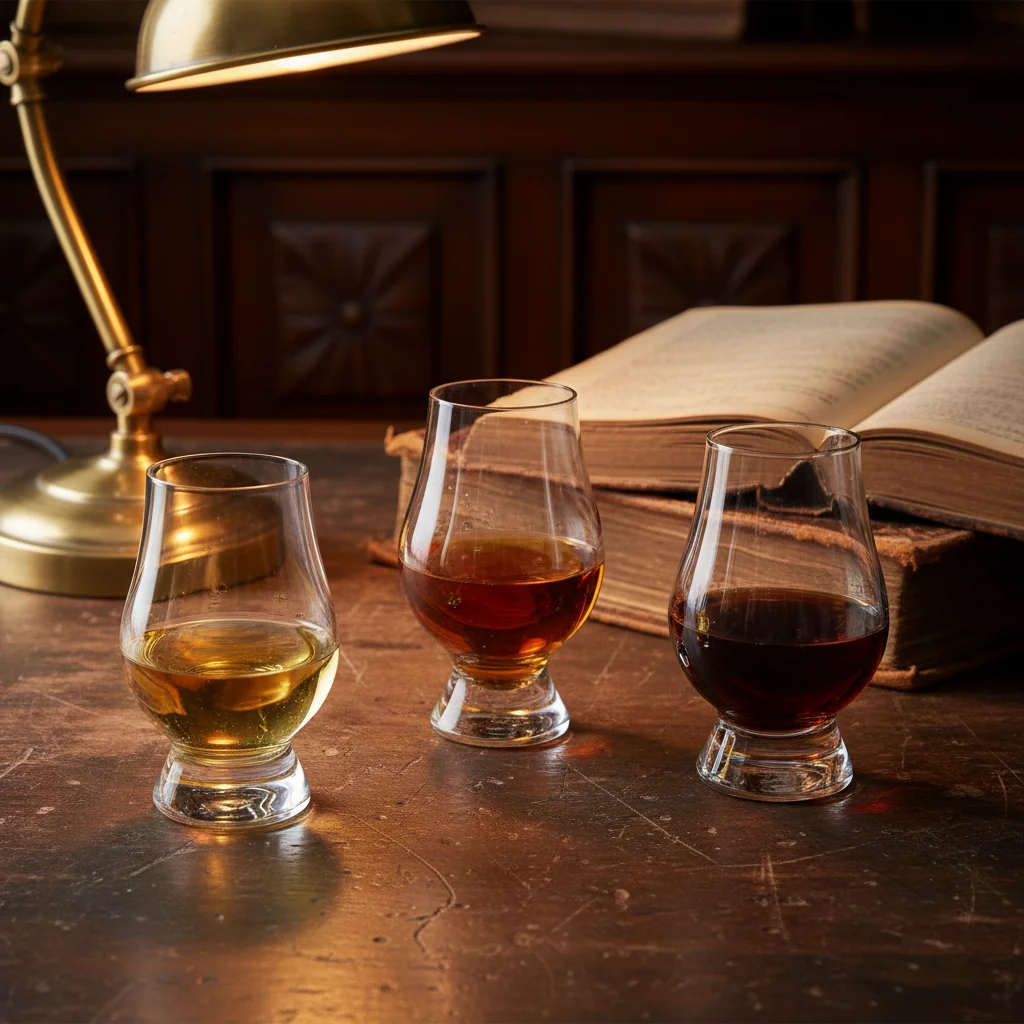
Ardbeg vs Laphroaig: The Islay Peat Duel
Two Islay legends, both founded in 1815, separated by two miles of coastline. We compare Ardbeg and Laphroaig head-to-head — and pick a winner.
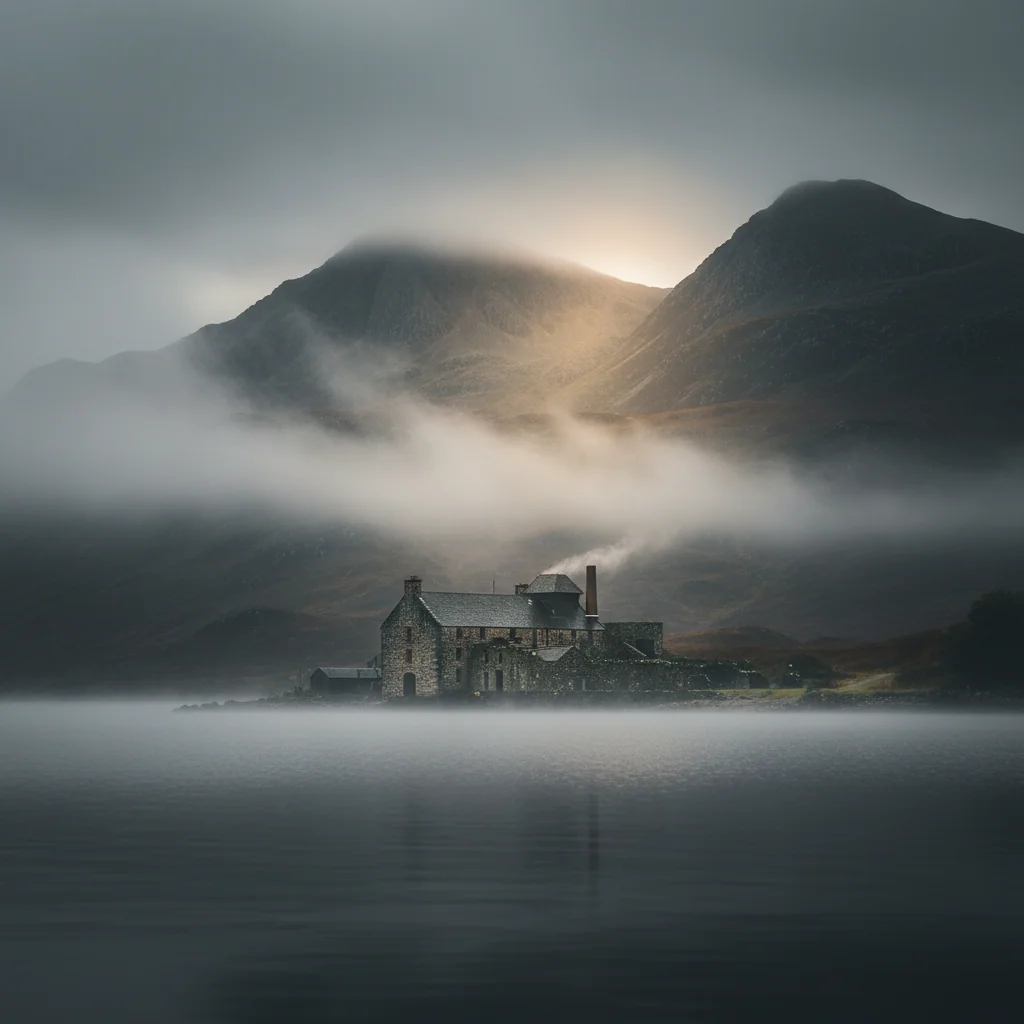
The 15 Best Distillery Tours in the UK & Ireland
We ranked the 15 distillery tours actually worth your time across Scotland, England, Wales, and Ireland — from Islay icons to hidden Welsh gems.

What 213 Distilleries Told Us About UK Whisky
We analysed every distillery in our database — 213 across 5 countries and 17 regions. Here is what the numbers reveal about the state of British and Irish whisky.